 how-to
7 Steps to Choosing Safe Pediatric Chiropractic Care
Last Updated: October 24, 2026
Quick Summary
Pediatric chiropractic care is specialized treatment designed to support children's spinal health and overall wellness through gentle adjustments and therapeutic techniques tailored to young bodies. Children account for 8% to 15% of all chiropractic visits, with wellness care ranking among the top reasons families seek this type of care.
- Evidence for pediatric chiropractic care is strongest for musculoskeletal pain in older children and adolescents, but weak for colic, ear infections, and growth claims.
- Serious adverse events from pediatric spinal manipulation are rare but not zero, with higher risk for infants and children with spinal cord abnormalities or bone disease.
- Avoid chiropractic care if your child has fever, unexplained weight loss, recent trauma, neurological symptoms, or no clear diagnosis.
- A qualified pediatric chiropractor should ask detailed health history questions, use age-specific techniques, and coordinate with your pediatrician.
- Red flags include practitioners who claim to treat every condition, discourage medical care, or recommend open-ended treatment without clear goals.
Table of Contents
- What Pediatric Chiropractic Care Is and Why Parents Choose It
- Understanding the Evidence for Pediatric Chiropractic Care
- Pediatric Chiropractic Safety: What Parents Need to Know
- Step 1: Identify Your Child's Health Goals and Concerns
- Step 2: Research and Evaluate Pediatric Chiropractors
- What to Expect at a Pediatric Chiropractic Appointment
- Questions to Ask a Pediatric Chiropractor Before Starting Care
- Schedule Your Child's First Pediatric Chiropractic Consultation
- Frequently Asked Questions
What Pediatric Chiropractic Care Is and Why Parents Choose It
Pediatric chiropractic care is specialized treatment designed to support children's spinal health and overall wellness through gentle adjustments and therapeutic techniques tailored to young bodies.
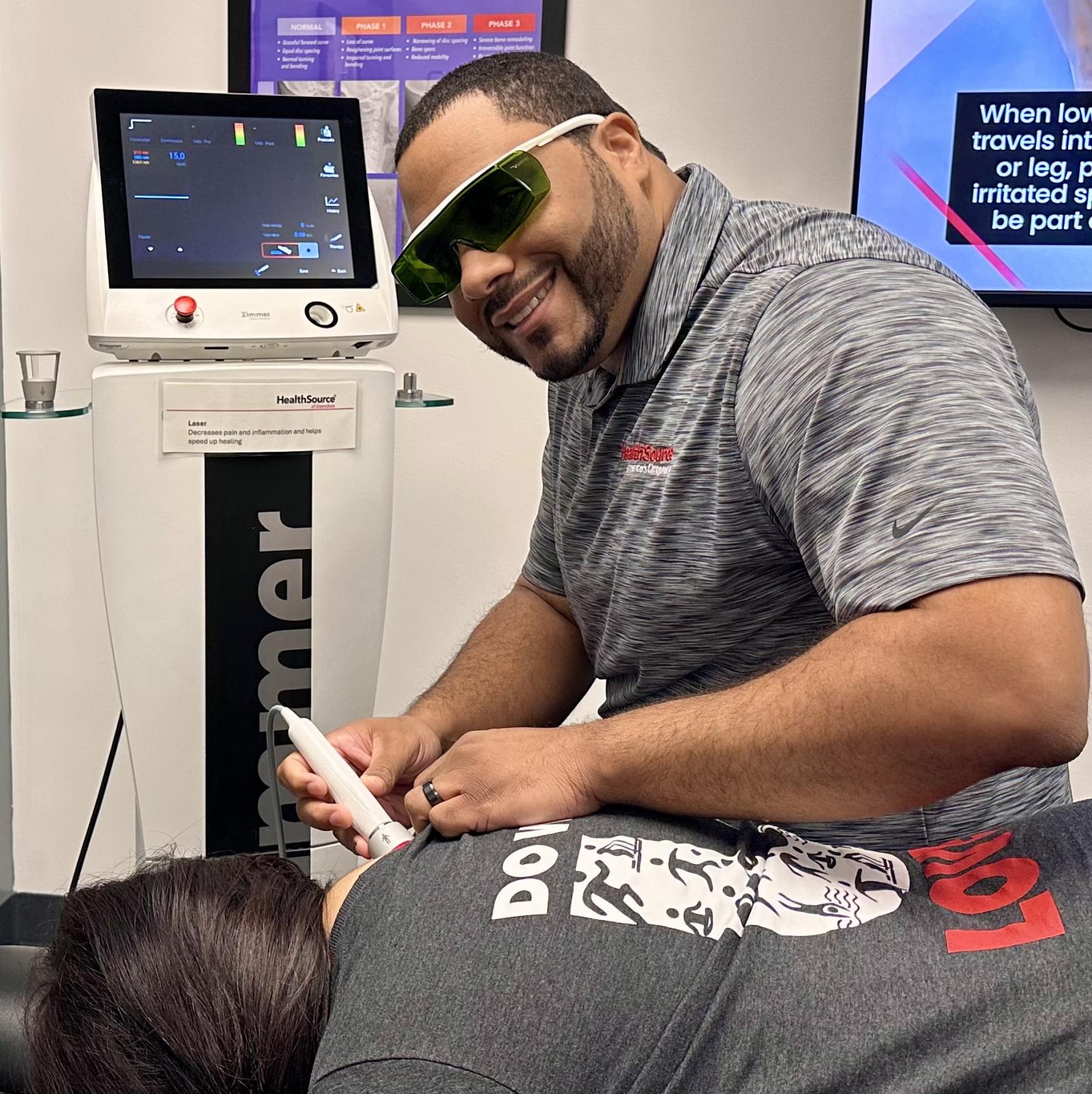
Parents choose chiropractic care for pediatric health and wellness for various reasons. Some bring children in for musculoskeletal concerns like posture problems or sports injuries. Others focus on preventive wellness and healthy growth. At HealthSource Chiropractic of Greensboro, we work with families to address their specific health goals.
The nervous system controls everything in a child's body. Spinal misalignments can interfere with that control. Gentle adjustments aim to restore proper alignment and support normal development.
Understanding the Evidence for Pediatric Chiropractic Care
The evidence for pediatric chiropractic care is uneven, and the honest answer depends on the condition. A 2024 review of pediatric chiropractic research examined effectiveness across musculoskeletal and non-musculoskeletal concerns. It included 21 articles, only three of which were randomized controlled trials, the design that can best separate a real effect from placebo or natural recovery.
What the evidence supports, by condition:
- Musculoskeletal pain (back and neck pain, posture-related discomfort). This is where the evidence is relatively strongest, though still limited. Some studies suggest gentle spinal manipulation may reduce pain and improve function in older children and adolescents, similar to what is seen in adults.
- Sports injuries and activity-related discomfort. Chiropractic care is sometimes used alongside rest and rehabilitation for minor strains and movement restrictions. Evidence specific to children is sparse, and care should not replace evaluation for fractures, ligament injuries, or concussion.
- Colic, ear infections, and digestive concerns. These are among the most common reasons parents seek pediatric chiropractic care, but the evidence is weak and mixed. Small studies exist, but most are low quality, and no well-designed trial establishes that adjustments treat colic, ear infections, or digestive conditions. Families should treat these as proposed benefits, not established ones, and should not delay pediatric medical care.
- Sleep and general wellness. Claims that chiropractic care improves sleep or overall wellness in children are not supported by high-quality evidence. Wellness visits may be reassuring to families, but they should not be presented as proven preventive care.
- Growth and physical development. No credible evidence shows that spinal adjustments influence growth, development, or the nervous system's control of the body in the way marketing sometimes implies. Growth is primarily determined by nutrition, genetics, hormones, and overall health.
How to read the research:
- Check the design. Randomized controlled trials carry more weight than case reports or clinic testimonials. A single small trial is not proof.
- Check the population. A study of adults does not automatically apply to infants or young children.
- Check the outcome. Pain scores and function are measurable; "wellness" and "alignment" often are not.
- Check for conflicts. Studies funded or conducted by chiropractic trade groups deserve extra scrutiny, as do reviews that omit negative findings.
A practical rule: the stronger the claim and the younger the child, the more evidence you should demand before proceeding. Your pediatrician can help you interpret whether chiropractic care fits your child's specific situation.
The strength of evidence for pediatric chiropractic care varies significantly by condition.
Condition | Evidence Strength | Key Finding |
|---|---|---|
Musculoskeletal pain | Relatively strongest | May reduce pain in older children and adolescents |
Sports injuries | Sparse | Should not replace evaluation for fractures or concussion |
Colic and ear infections | Weak and mixed | No well-designed trial establishes effectiveness |
Sleep and wellness | Not supported | Should not be presented as proven preventive care |
Growth and development | No credible evidence | Growth determined by nutrition, genetics, hormones |
Spinal manipulation effects | Unproven | No evidence of nervous system control claims |
Pediatric Chiropractic Safety: What Parents Need to Know
Safety is the foundation of good pediatric care, and it requires more than reassurance. Children's spines are still developing, with growing bones, flexible ligaments, and a nervous system that requires special consideration. The techniques used should reflect that difference.
Known and uncertain risks:
- Serious adverse events are rare but not zero. Reports of serious injury from pediatric spinal manipulation exist, though they are uncommon and often poorly documented. The true rate is unknown because reporting is inconsistent.
- Mild reactions are more common. Some children experience temporary soreness, fussiness, or fatigue after an adjustment. These usually resolve within a day or two.
- Risk is higher with certain conditions. Children with spinal cord abnormalities, unstable joints, bone disease, bleeding disorders, or recent trauma may face greater risk. A thorough history and examination should screen for these before any treatment.
- Infants deserve extra caution. The evidence for manipulating infant spines is very limited, and the margin for error is small. Any care for an infant should be gentle, brief, and clearly justified.
When chiropractic care should be avoided or delayed:
- Fever, unexplained weight loss, or night pain. These can signal infection or serious illness and require medical evaluation first.
- Recent significant trauma. A fall, car accident, or sports collision should be evaluated for fracture or injury before any adjustment.
- Neurological symptoms. Weakness, numbness, loss of coordination, changes in bowel or bladder function, or difficulty walking require urgent medical attention.
- Known bone or joint disease. Conditions such as osteogenesis imperfecta or inflammatory arthritis make manipulation risky.
- No clear diagnosis. If no one has evaluated the problem, a chiropractor should not be the first and only stop.
Red flags in a practitioner:
- Claims to treat every condition, including those with no supporting evidence
- Refuses to coordinate with your pediatrician or discourages medical care
- Recommends long-term or open-ended care without clear goals or measures of improvement
- Uses adult-strength techniques on a child or infant
- Pressures you to decide immediately or discourages a second opinion
The American Chiropractic Association emphasizes best practices for pediatric care including proper screening and age-specific protocols. A qualified pediatric chiropractor will ask detailed questions about your child's health history, current concerns, and any recent injuries before beginning treatment.
Step 1: Identify Your Child's Health Goals and Concerns
Before scheduling an appointment, get clear on why you're considering chiropractic care. This clarity helps you find the right practitioner and set realistic expectations.
Ask yourself these questions:
- What specific health concern brought you here? (posture, pain, sports injury, wellness, growth support)
- Has your child seen a pediatrician about this concern?
- What outcome would feel like success?
- Is this about addressing a current problem or supporting preventive wellness?
Write down your answers. Bring them to your consultation. The best pediatric chiropractors will ask similar questions and help you understand whether their approach matches your goals.
Some families seek care for musculoskeletal health, neck pain, back pain, or sports-related discomfort. Others focus on overall wellness and healthy growth during critical developmental stages. The key is being specific about what you hope to achieve.
Step 2: Research and Evaluate Pediatric Chiropractors
Finding the right practitioner takes more than a quick internet search. You're trusting someone with your child's health, so thorough evaluation matters.
What to look for:
- Pediatric-specific training. Ask about credentials in pediatric chiropractic care, not just general licensure
- Clear communication style. Do they explain things in ways you understand?
- Willingness to coordinate with your pediatrician. Good practitioners work alongside conventional care, not against it
- Honest about limitations. They should acknowledge what chiropractic can and cannot do for your child's specific concern
- Reasonable treatment plans. Avoid practitioners who recommend open-ended care without clear milestones
Check online reviews and ask for references from other families. You can also learn why HealthSource Chiropractic is trusted by thousands of patients who have experienced personalized, evidence-based care.
Pay attention to how a clinic treats you during your initial contact. Are staff members welcoming? Do they answer questions thoroughly?
What to Expect at a Pediatric Chiropractic Appointment
Knowing what happens during a visit reduces anxiety for both you and your child. Pediatric chiropractic appointments follow a structured process designed to be comfortable and age-appropriate.
First appointment typically includes:
- Health history review. The chiropractor asks detailed questions about your child's health, development, any injuries, and current concerns
- Physical examination. They assess posture, spinal alignment, and movement patterns using gentle, child-friendly techniques
- Possible imaging. Some cases require X-rays or other imaging to guide treatment decisions
- Treatment plan discussion. They explain findings in plain language and outline recommended care, including frequency and expected duration
- Initial treatment. If appropriate, the first adjustment or therapy may happen during this visit
Subsequent visits are typically shorter, focused on treatment and progress monitoring.
Your child should feel safe and comfortable. A good pediatric chiropractor creates a calm environment, uses child-friendly language, and involves you in every step. If your child seems anxious or uncomfortable, speak up.
Questions to Ask a Pediatric Chiropractor Before Starting Care
Smart questions protect your child and ensure you're making an informed decision. Write these down and bring them to your consultation.
Essential questions:
- What specific training do you have in pediatric chiropractic care?
- How will you assess whether my child's condition responds to chiropractic care?
- How often will my child need to visit, and for how long?
- What measurable improvements should I expect to see, and by when?
- Are you willing to communicate with my child's pediatrician?
- What conditions do you refer to other providers rather than treat?
- Do you use techniques specifically designed for children, or adult techniques with less force?
- What are the potential risks for my child's specific concern?
- How will you know when my child no longer needs care?
- What is your approach to preventive wellness versus treating existing problems?
Listen carefully to the answers.
Schedule Your Child's First Pediatric Chiropractic Consultation
You've done the research. You've identified your goals. You've found a practitioner who understands pediatric care and communicates clearly.
HealthSource Chiropractic of Greensboro accepts new patients. Our team specializes in personalized care that integrates chiropractic adjustments with Progressive Rehab® and functional exercise.
Schedule a consultation and start with clarity about what to expect and how we'll measure success together.
Choosing safe pediatric chiropractic care means understanding the evidence, evaluating practitioners carefully, and staying involved every step of the way.
Frequently Asked Questions
Is chiropractic care safe for infants and children?
Pediatric chiropractic care uses age-appropriate, gentle techniques adapted for children's developing bodies. A 2024 evidence review examined safety across pediatric musculoskeletal and non-musculoskeletal conditions. Safety depends on selecting a chiropractor trained in pediatric care who uses proper assessment and coordinates with your child's pediatrician. Always discuss any concerns with a qualified pediatric chiropractor before beginning care.
What does research say about pediatric chiropractic care?
A 2024 evidence review of pediatric chiropractic care examined effectiveness and safety, including 21 articles with three randomized controlled trials. Children represent 8% to 15% of all chiropractic visits, with wellness care listed among the top reasons families seek care. The review notes that evidence and safety vary by condition, so realistic expectations and careful provider selection are essential.
What should parents ask before choosing a chiropractor for their child?
Ask about the chiropractor's training in pediatric care, techniques used for your child's age group, how they communicate findings to parents, coordination with your pediatrician, expected treatment duration, and how they handle concerns or complications. Clarify what conditions they treat and their approach to evidence-based care.
What conditions do families commonly seek pediatric chiropractic care for?
Families seek pediatric chiropractic care for wellness and preventive health, posture concerns related to growth and development, sports injury recovery, musculoskeletal discomfort from activity, and some non-musculoskeletal concerns. Wellness care is among the leading reasons. Discuss your child's specific health goals with a pediatric chiropractor to determine whether care is appropriate for their situation.