 how-to
Book Spinal Decompression Session Online: 2026 Guide
Table of Contents
- How to Book a Spinal Decompression Session Online
- What to Expect During Spinal Decompression
- Non-Surgical Spinal Decompression Benefits and Treatment Timeline
- Frequently Asked Questions
Last Updated: September 16, 2026
How to Book a Spinal Decompression Session Online
Booking a spinal decompression session online takes about five minutes when you know what the clinic needs.
You find a provider, submit your details, and confirm a time, but non-surgical spinal decompression is a structured program, not a quick massage.
American Spinal Decompression Society symposium on clinical outcomes brought practitioners together in March 2026 to compare notes on what separates good outcomes from mediocre ones. The pattern they keep finding: patients who understand the process before session one stick with their treatment plan.
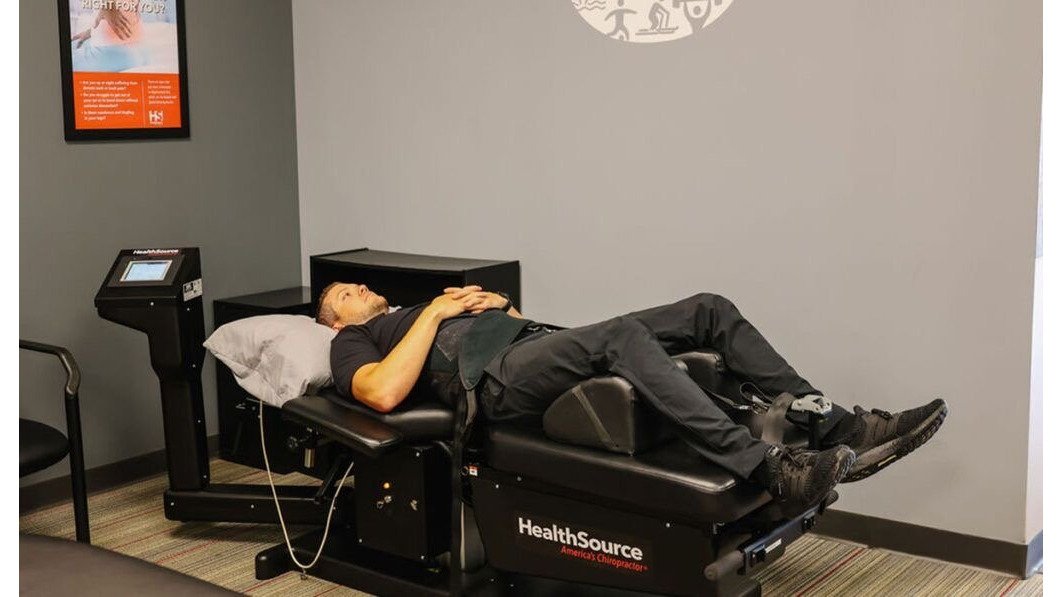
Spinal decompression is a non-surgical therapy that uses motorized traction to gently stretch the spine, creating negative pressure inside the discs so they pull nutrients back in and heal.
The practical takeaway: it's a game changing, non-surgical option for people told their only path forward is surgery.

Step 1: Confirm You're a Candidate Before You Book
Not everyone with back pain should be on a decompression table. A proper clinical assessment comes first.
Good candidates typically have a herniated disc, bulging disc, sciatica, or radiculopathy confirmed through imaging.
Step 2: Gather Your Information
Have these ready before the online form:
- Recent imaging reports (MRI, X-ray, or CT scan)
- Current medications and dosages
- Insurance card details, including plan and member ID
- A timeline of when the pain started and what makes it worse
Step 3: Complete the Online Booking Form
Most clinics ask for contact details, insurance information, and a brief description of symptoms. Be specific: "Lower back pain for eight months, worse when sitting, shooting pain down the left leg" tells the scheduler far more than "back hurts."
Appointment scheduling systems usually let you pick a time slot. Choose one where you won't be rushing. A therapeutic session plus check-in and preparation runs about 50 minutes total (InSpine Chiropractic treatment timing), and you don't want to spend the whole session watching the clock.
Step 4: Verify Your Insurance Before the Visit
This is the step people skip, and it causes the most stress later.
Call your insurer and ask: Is spinal decompression covered? Do I need a referral or prior authorization? What's my out-of-pocket expense?
Step 5: Prepare for Your First Visit
Wear comfortable clothing, avoid heavy meals right before your appointment, and bring your imaging discs or reports even if you uploaded them online.
What to Expect During Spinal Decompression
A spinal decompression session itself lasts 20 to 30 minutes on the table (Back on Trac treatment duration).
How Often Will You Go?
| Phase | Typical Frequency | Typical Duration | What's Happening |
|---|---|---|---|
| Initial relief | 2-3 sessions per week | Weeks 1-4 | Reducing pain and inflammation |
| Corrective care | 1-2 sessions per week | Weeks 5-10 | Restoring disc position and mobility |
| Strengthening | 1 session per week | Weeks 11-12+ | Building spinal stability |
| Wellness maintenance | Monthly or as needed | Ongoing | Preventing recurrence |
What Results Should You Actually Expect?
Non-Surgical Spinal Decompression Benefits and Treatment Timeline
The clearest benefit of non-surgical spinal decompression is that it addresses disc problems without incisions, anesthesia, or hospital recovery time.
The Benefits That Matter Most
Pain relief is the headline, but patients also report reduced tingling and numbness in the legs, better posture and spinal alignment, improved mobility, and lower reliance on pain medication.
Your Realistic Treatment Timeline
Week one usually brings some relief, mostly from reduced muscle guarding.
What Happens After Your Program Ends
If you're ready to stop managing pain and start treating its cause, the booking process starts with a conversation. HealthSource Chiropractic of Greensboro offers personalized, non-invasive care plans combining spinal decompression, chiropractic adjustment, and functional rehabilitation. Get started with HealthSource Chiropractic of Greensboro and find out what non-surgical care can actually do for your back.
Frequently Asked Questions
Can I book a consultation for spinal decompression online?
Yes, many chiropractic clinics allow you to request or book a consultation online. You typically fill out a form with your contact information and a brief description of your symptoms. The clinic then contacts you to schedule a specific appointment time and discuss insurance and payment options. Some clinics also offer online scheduling for established patients.
How do I prepare for my first spinal decompression session?
Wear comfortable, loose clothing that allows easy movement. Avoid eating a heavy meal right before your appointment. Bring any relevant medical records, imaging (like MRI or X-rays), and a list of medications. Arrive 10-15 minutes early to complete paperwork. If you have any concerns, write down questions to ask your provider before treatment begins.
How many sessions are typically required for spinal decompression?
Most treatment plans consist of 12 to 24 sessions. The exact number depends on your condition, its severity, and how your body responds. Some patients notice improvement within a few visits, while others need the full course. Your provider will reassess your progress regularly and adjust the plan as needed.