 how-to
Chiropractic Adjustment for Sports Injury Recovery
Table of Contents
- How Chiropractic Adjustments Support Sports Injury Recovery
- Assessment and Treatment Process for Sports Injuries
- Sports Injury Rehabilitation Exercises and Home Care
- Sports Injury Recovery Time and Realistic Expectations
- Return to Sport After Injury: Safety and Criteria
- Choosing a Sports Injury Chiropractor and Safety Considerations
- Frequently Asked Questions
Last Updated: October 9, 2026
How Chiropractic Adjustments Support Sports Injury Recovery
Chiropractic adjustment for sports injury recovery combines spinal manipulation with targeted therapies to restore movement and reduce pain. At HealthSource Chiropractic of Greensboro, we address root causes, not symptoms.
Sports injuries often shift your spine and joints out of alignment. This misalignment, or subluxation, restricts movement, increases nerve pressure, and slows healing.
Restoring Spinal and Joint Alignment
Sports injuries shift vertebrae and joints from their normal position, causing restricted motion, nerve interference, and delayed recovery. Adjustments restore alignment through spinal manipulation and extremity adjustments.
When your spine returns to correct alignment, several things happen immediately. Pressure on nerves decreases. Blood flow improves to the injured area.
Reducing Pain and Inflammation
Pain after a sports injury signals tissue damage, but persistent inflammation delays recovery. Chiropractic adjustment reduces both.
Misaligned vertebrae create muscle tension that restricts blood flow and traps inflammatory compounds.
Proper alignment also reduces nerve irritation; remove pressure on inflamed nerves and pain drops significantly, many athletes report relief within the first few sessions.
Improving Mobility and Range of Motion
Stiffness after injury is normal: scar tissue forms, muscles tighten protectively, and range of motion shrinks.
Chiropractic adjustments restore mobility by addressing joint restriction and muscle tension together: the adjustment mobilizes the joint while soft-tissue therapy releases tight muscles.
Athletes may experience improved range of motion and strength after chiropractic treatment, though results vary by injury type and severity.
Assessment and Treatment Process for Sports Injuries
Here is the practical sequence from first appointment through discharge, including when a chiropractor should pause, refer, or modify care.
Step 1: History and Mechanism of Injury
Your first visit starts with a structured history, not an adjustment. Expect questions about:
- Mechanism of injury, A sudden twist, direct impact, fall, or overuse pattern built up over weeks?
- Onset and pattern, Did pain appear immediately or hours later? Worse in the morning, after activity, or at rest?
- Aggravating and relieving factors, Which movements reproduce the pain, and what positions reduce it?
This history shapes everything that follows. A sudden pop with immediate swelling points toward a different pathway than a gradual ache that worsens with running.
Step 2: Physical Examination
The exam typically includes:
- Observation and palpation, Swelling, bruising, asymmetry, and tenderness along the spine and injured joint.
- Range-of-motion testing, Active (you move) and passive (the clinician moves) testing to separate joint restriction from muscle guarding.
- Orthopedic special tests, Provocative maneuvers that stress specific ligaments, tendons, or joints and reproduce symptoms.
Step 3: Imaging and Referral Decisions
Imaging is not routine for every sports injury. A chiropractor may order X-rays or refer for advanced imaging when history or exam suggests something beyond a soft-tissue or alignment problem.
Step 4: Working Diagnosis and Care Plan
After the exam, your chiropractor should explain:
- What structures appear to be involved
- Whether the injury is acute or chronic
- The treatment plan, including visit frequency and how progress will be measured
A clear plan includes a reassessment point. If you are not improving within a reasonable window, the plan should change, or the diagnosis should be reconsidered.
Step 5: Treatment, Adjustments and Adjuncts
Treatment typically combines several approaches rather than relying on adjustment alone:
Spinal adjustments address restricted vertebral motion, applying controlled force to restore joint movement, most relevant when the spine contributes to the problem, like low back pain in a runner.
Extremity adjustments target joints outside the spine: shoulders, elbows, wrists, hips, knees, and ankles, common where a single joint takes repeated load or sudden force.
Soft-tissue therapy, massage, trigger point work, and myofascial release, addresses the muscle tightness accompanying joint restriction.
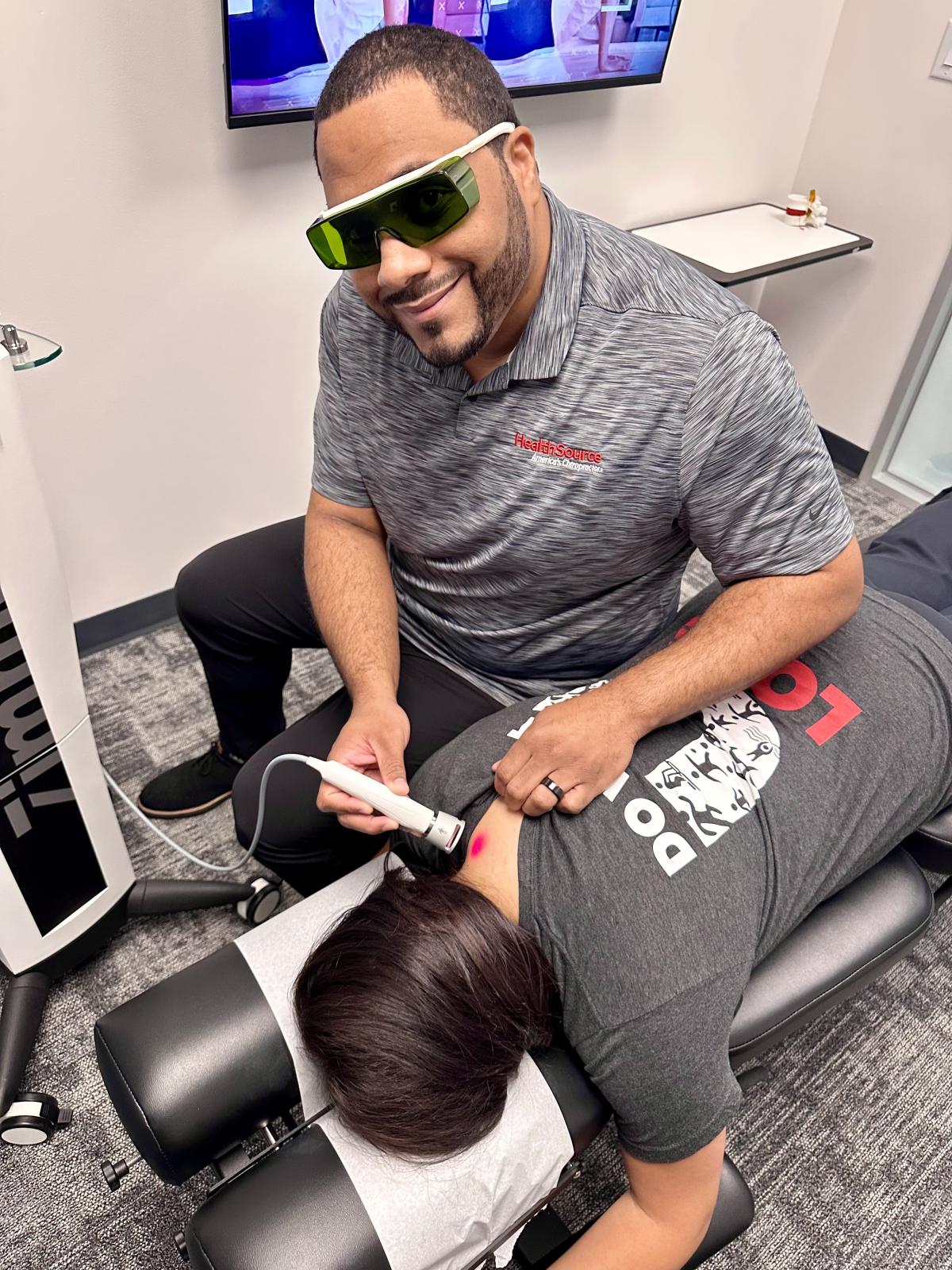
Adjuncts may include taping, bracing, ice or heat guidance, and modalities such as laser therapy. These support the adjustment rather than replace it.
Step 6: Reassessment and Progression
Recovery is not a fixed number of visits. Your chiropractor should reassess at defined intervals using the same tests performed at the start. Objective markers, range of motion, strength, pain with specific movements, show whether the plan is working. If progress stalls, change technique, add rehabilitation, or refer rather than adding visits.
How Care Differs by Injury Type
The same adjustment protocol does not fit every injury. A general guide:
- Muscle strains, Gentle mobilization, soft-tissue work, and progressive loading. Forceful adjustment of the strained muscle itself is not the goal.
- Ligament sprains, Early care protects the healing ligament; adjustment may target surrounding joints that have stiffened to compensate.
- Joint injuries (e.g., ankle, shoulder), Extremity adjustment plus rehabilitation is common once acute swelling has settled.
Coordinating With Other Providers
Sports injuries often involve more than one clinician. Your chiropractor may work alongside a physical therapist, orthopedic physician, or primary care provider. Sharing imaging, exam findings, and progress notes avoids conflicting advice and duplicated treatment. If your chiropractor won't coordinate or refer when your injury is outside their scope, seek a second opinion.
Sports Injury Rehabilitation Exercises and Home Care
Progressive Rehab and Functional Exercise
Adjustments and therapy sessions are only part of recovery. What you do at home matters equally.
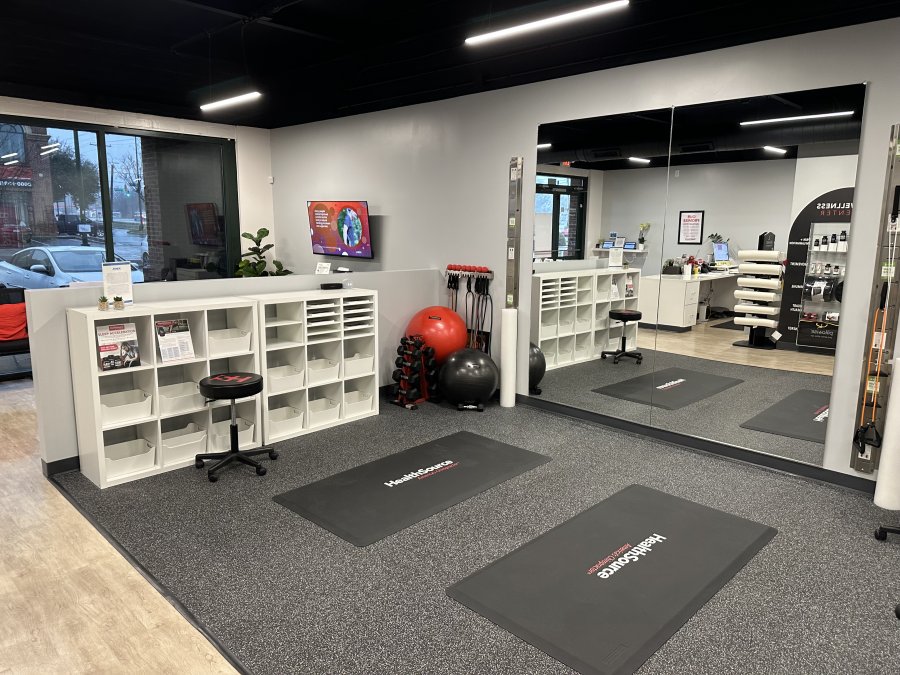
At HealthSource Chiropractic of Greensboro, we integrate Progressive Rehab® and functional exercise into every treatment plan, not generic stretches, but specific movements designed for your injury and sport-specific function.
Your chiropractor teaches you exactly how to perform each exercise. Proper form matters. Doing an exercise incorrectly can delay healing or cause new problems. Ask questions.
At-Home Recovery Plan and Self-Care
Your recovery plan extends beyond the clinic. Daily self-care accelerates healing and prevents setbacks. Your chiropractor provides specific guidance on:
- Ice or heat application timing and duration
- Activity modification to protect your healing injury
- Sleeping positions that support recovery
Consistency matters more than intensity: rehab exercises five days per week beat sporadic intense sessions.
Sports Injury Recovery Time and Realistic Expectations
Recovery time depends on injury severity, your age, overall health, and how consistently you follow your treatment plan.
Your chiropractor can't predict exact timelines but can estimate based on your injury.
Recovery isn't linear, some weeks you'll feel significantly better, others progress stalls.
Return to Sport After Injury: Safety and Criteria
Returning too early risks re-injury; returning too late costs fitness and confidence. Remove the guesswork by testing against measurable criteria, not a calendar.
Why Timelines Alone Are Not Enough
A fixed timeline, "six weeks for a hamstring strain", tells you nothing about whether your tissue is ready. Two athletes with the same diagnosis can be at very different healing stages. Criteria-based return uses objective tests to confirm readiness, and most sports medicine clinicians prefer it over time-based clearance.
The Core Return-to-Sport Criteria
Before progressing to sport-specific work, most practitioners look for:
- Pain, No more than mild discomfort (commonly rated 0-2 out of 10) during daily activities and the specific movements your sport requires.
- Range of motion, Within roughly 90-95% of the uninjured side, measured, not estimated.
- Strength, Typically within 90% of the uninjured side on a comparable test (e.g., single-leg press, grip dynamometer, or manual muscle testing).
These are benchmarks, not guarantees. Your chiropractor or physical therapist should test them and document the results.
A Phased Progression Back to Sport
Rather than jumping from rest to full participation, a typical progression moves through stages:
- Pain-free daily activity, Walking, stairs, and basic movements without a limp or guarding.
- Basic strengthening and mobility, Bodyweight and light resistance work through full range.
- Sport-specific movement without contact, Running, jumping, or swinging at controlled intensity.
- Full-intensity drills, Sprinting, cutting, or throwing at game speed.
- Controlled return to practice, Limited minutes or reps, monitored for symptom response.
- Full return to competition, Only after the prior stages are tolerated without a flare-up.
Clear each stage before moving to the next. A flare-up means stepping back a stage, not pushing through.
Load Management and Re-Injury Risk
One of the most common causes of re-injury is a sudden jump in training load after time off. Increase weekly volume or intensity gradually, commonly no more than about 10% per week, and alternate harder and easier days rather than stacking hard sessions.
Psychological Readiness
Physical and psychological readiness are not the same thing. Fear of re-injury can change how you move, and that altered movement can itself increase injury risk. Signs you may not be psychologically ready include hesitating on cuts, avoiding contact, or feeling anxious before practice.
When to Stop and Reassess
Pause your return and check in with your clinician if you experience:
- Pain that increases during or after activity rather than settling within a day
- New swelling, bruising, or a feeling of instability
- Numbness, tingling, or weakness that returns
Coordinating Clearance With Your Care Team
Final clearance should be a shared decision. Your chiropractor, physical therapist, and, for serious injuries, a physician should agree you have met the criteria. If you play for a team, the coach or athletic trainer should know your progression plan so practice load matches your stage.
Choosing a Sports Injury Chiropractor and Safety Considerations
Not all chiropractors specialize in sports injury recovery.
At HealthSource Chiropractic of Greensboro, we specialize in sports injury recovery using advanced diagnostic tools and comprehensive treatment protocols, combining chiropractic adjustments with Progressive Rehab®, functional exercise, and specialized therapies like class IV laser treatment.
Red Flags and When to Seek Medical Care
Some injuries require medical evaluation before chiropractic care. Seek immediate medical attention if you experience:
- Severe pain that doesn't improve with rest
- Numbness or tingling that spreads or worsens
- Loss of bowel or bladder control
These signs indicate severity beyond what chiropractic care alone can address; medical imaging and specialist evaluation may be necessary first.
Contraindications and When to Avoid Adjustment
Certain conditions make spinal adjustment inappropriate or unsafe. Your chiropractor screens for these during your initial evaluation. Avoid adjustment if you have:
- Fractures or suspected fractures in the spine
- Severe osteoporosis affecting bone strength
- Certain types of arthritis affecting joint stability
For acute sports injuries, gentle mobilization and inflammation management take priority over forceful adjustment.
Be transparent about your medical history, previous injuries, and any conditions affecting your spine or joints.
Sports injury recovery requires addressing both the structural damage and the functional limitations caused by your injury.
Frequently Asked Questions
Can a chiropractic adjustment help with a sports injury?
Yes. Chiropractic adjustments can help restore spinal and joint alignment, reduce pain and inflammation, and improve mobility after a sports injury. Research published in the Journal of Chiropractic Medicine indicates that chiropractic care is effective for common conditions seen in athletes, including lower back pain and muscle conditions. However, treatment outcomes depend on the injury type, severity, and how quickly you seek care. A qualified sports injury chiropractor will assess your specific injury and create a personalized treatment plan.
What sports injury rehabilitation exercises should I do after chiropractic treatment?
After an adjustment, your chiropractor will recommend sports injury rehabilitation exercises tailored to your injury and recovery stage. These typically include progressive functional exercises, stretching, and strengthening routines designed to restore stability and prevent re-injury. Progressive Rehab combines targeted exercises with your chiropractic care to accelerate healing. Start with gentle movements and gradually increase intensity as pain decreases and mobility improves. Always follow your chiropractor's guidance on exercise progression and avoid activities that increase pain.
How long does sports injury recovery take with chiropractic care?
Sports injury recovery time varies widely depending on injury severity, location, and your body's healing capacity. Acute injuries may show improvement within 2-4 weeks, while chronic or complex injuries may require 8-12 weeks or longer. Athletes may experience improvement in range of motion and strength following chiropractic treatment. Recovery is not linear, you may experience plateaus. Your chiropractor will monitor progress and adjust your treatment plan as needed. Consistency with treatment and home exercises significantly impacts recovery speed.
When should I avoid a chiropractic adjustment and seek medical care instead?
Avoid adjustment and seek immediate medical care if you experience severe pain, numbness or tingling that spreads, loss of bowel or bladder control, signs of fracture or dislocation, or symptoms of a serious underlying condition. Acute injuries with significant swelling, bruising, or inability to bear weight may require imaging or medical evaluation first. If you have osteoporosis, take blood thinners, or have had recent spinal surgery, inform your chiropractor before treatment. A qualified sports injury chiropractor will screen for contraindications during your initial evaluation and refer you to a physician when appropriate.