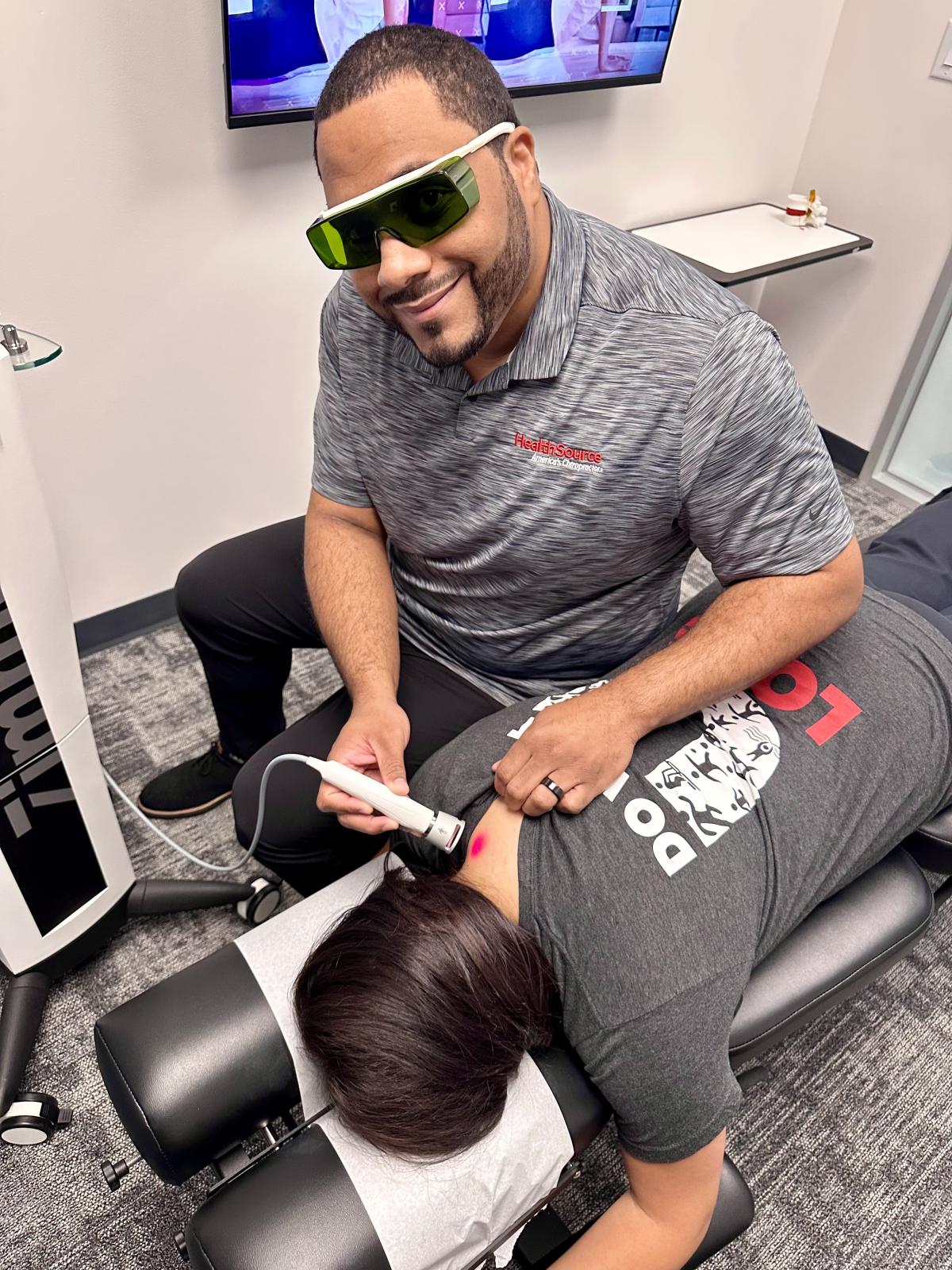
 how-to
Chiropractic Care During Pregnancy for Back Pain
Table of Contents
- Why Pregnancy-Related Back Pain Happens
- How Chiropractic Care May Help Pregnancy-Related Back Pain
- Safety of Chiropractic Care During Pregnancy
- What Prenatal Chiropractic Adjustment Involves
- Questions to Ask a Chiropractor During Pregnancy
- Practical Pregnancy Back Pain Relief: When to Seek Care and Red Flags
- Other Evidence-Based Options for Pregnancy Back Pain
- Frequently Asked Questions
Last Updated: October 13, 2026
Why Pregnancy-Related Back Pain Happens
Pregnancy stresses your spine and pelvis: your center of gravity shifts forward as your belly grows, pulling your posture out of alignment, while the hormone relaxin loosens your ligaments and joints to prepare for delivery.
Approximately 30% of women report their first bout of back pain during pregnancy (Best-Practice Recommendations for Chiropractic Care for Pregnant and Postpartum Patients). The added weight, hormonal shifts, and postural changes create a perfect storm for musculoskeletal discomfort.
Your lower back bears most of this load: your pelvis tilts forward and your abdominal muscles stretch and weaken, pressuring spinal joints and nerves.
The good news: this pain is treatable. At HealthSource Chiropractic of Greensboro, we provide chiropractic care to ease discomfort and restore function.
How Chiropractic Care May Help Pregnancy-Related Back Pain
Chiropractic care for pregnancy-related back pain is a mechanical, hands-on approach to a mechanical problem.
What the evidence actually shows, and what it doesn't
The honest picture:
- The research base is small and mostly observational. A narrative review of the literature reported relief from back pain during pregnancy in a majority of the cases it discussed (Pregnancy and Chiropractic: A Narrative Review of the Literature), but narrative reviews summarize selected cases rather than compare treatment to a control group.
- A review of six included studies found chiropractic care associated with improved outcomes for pregnancy-related low back pain (Chiropractic Treatment of Pregnancy-Related Low Back Pain). "Associated with" is not the same as "proven to cause." These studies generally lack randomization and blinding, which are hard to run in pregnancy research for ethical reasons.
- No credible body of evidence shows that chiropractic adjustments shorten labor, prevent complications, or improve birth outcomes. Be skeptical of any provider who claims they do.
Practically: chiropractic care during pregnancy for back pain is a reasonable option to try for musculoskeletal back and pelvic pain, with low risk when performed by a prenatal-trained provider.
The mechanisms that plausibly explain relief
Even without large trials, the mechanisms are understandable:
- Joint mobilization. Restricted spinal or sacroiliac joints make surrounding muscles guard and spasm; gentle mobilization restores range of motion and reduces that guarding.
- Soft-tissue work. Trigger points and fascial tension in the lower back, glutes, and hip rotators refer pain into the low back and leg; manual release calms those patterns.
- Pelvic alignment. The pelvis shifts asymmetrically as the uterus grows, so the sacroiliac joints and ligaments take uneven stress, a common driver of sharp, one-sided pain described as sciatica.
- Nervous system down-regulation. A calm, supported, side-lying session reduces sympathetic tone, lowering perceived pain even before tissues change.
Realistic expectations
Women who respond to care usually notice meaningful change within two to four weeks of consistent visits, often sooner for acute flare-ups.
Track three things: pain intensity at your worst moment of the day, how far you can walk or stand before pain starts, and how well you sleep. If none move after a fair trial, ask your chiropractor to reassess or refer you.
Safety of Chiropractic Care During Pregnancy
This is the question every pregnant woman asks first: Is it safe?
The short answer is yes, when performed by a chiropractor trained in prenatal care. A review of six included studies found chiropractic care associated with improved outcomes for pregnancy-related low back pain (Chiropractic Treatment of Pregnancy-Related Low Back Pain).
Prenatal chiropractic care uses techniques and positioning modified for pregnancy: no high-force adjustments to your abdomen, pregnancy support cushions to protect your belly, and many adjustments performed side-lying rather than face-down.
Properly performed chiropractic care during pregnancy carries minimal risk, but certain conditions require caution or modified treatment:
- Placental abnormalities or bleeding
- High-risk pregnancy classifications
- Severe pelvic pain or instability
- Recent trauma or falls
Always disclose your full pregnancy history before your first visit so your chiropractor can tailor treatment and avoid contraindications.
What Prenatal Chiropractic Adjustment Involves
Pregnancy-Adapted Positioning and Techniques
Standard chiropractic adjustments aren't suitable during pregnancy; your chiropractor will modify their approach to protect you and your baby.
The adjustments are gentler than typical chiropractic care: lower force, focused on restoring alignment rather than aggressive manipulation. Many prenatal adjustments use instrument-assisted techniques or gentle manual therapy instead of traditional high-velocity adjustments.
Soft-tissue therapy is often part of prenatal chiropractic care.
What to Expect During Your First Visit
Your first appointment will feel different from a typical chiropractic visit. Expect a thorough consultation covering when your pain started, what movements make it worse, and what positions feel better.
Your chiropractor will perform a physical examination assessing posture, spinal alignment, and pelvic balance, sometimes asking you to perform simple movements to identify restricted or painful areas.
X-rays are typically avoided during pregnancy unless absolutely necessary; your chiropractor will rely on physical examination and symptom history to diagnose the problem, then explain the findings in plain language and outline a treatment plan.
Your first adjustment is usually gentler than subsequent ones so your chiropractor can see how your body responds. Most pregnant women tolerate it well.
Questions to Ask a Chiropractor During Pregnancy
Before committing to care, ask these questions to ensure your chiropractor is qualified and right for you.
Ask about prenatal training and experience:
- "How many pregnant patients do you treat each month?"
- "What prenatal certifications or training do you have?"
- "Have you completed specialized prenatal chiropractic coursework?"
Ask about your specific condition:
- "What do you think is causing my pain?"
- "How will your treatment address the root cause, not just symptoms?"
- "What changes should I expect in the first 2-4 weeks?"
Ask about safety and contraindications:
- "Are there any pregnancy complications that would require modified treatment or referral?"
- "How will you protect my abdomen during adjustments?"
- "What positioning will you use, and why?"
Ask about treatment frequency and duration:
- "How often should I come in, and for how long?"
- "How will we know if the treatment is working?"
- "When should I expect noticeable improvement?"
Ask about communication with your obstetrician:
- "Are you comfortable coordinating care with my OB-GYN?"
- "Will you communicate if you notice anything unusual?"
A good chiropractor welcomes these questions and answers clearly, without defensiveness. If they rush you or seem annoyed, find another provider.
Practical Pregnancy Back Pain Relief: When to Seek Care and Red Flags
Not all pregnancy back pain requires chiropractic care. Some cases resolve with rest, stretching, and postural adjustments. But certain signs indicate you should seek professional help quickly.
Seek chiropractic care if you experience:
- Pain that wakes you at night or prevents sleep
- Pain that limits your ability to work or perform daily activities
- Shooting pain down your leg (possible sciatica)
- Pain that worsens despite rest and stretching
- Pelvic pain or instability that affects walking
Most pregnant women benefit from starting care in their second or third trimester, when back pain typically emerges.
Red flags that require immediate medical attention:
- Sudden, severe pain with no clear cause
- Vaginal bleeding or fluid leakage
- Regular contractions before 37 weeks (signs of preterm labor)
- Numbness or tingling in both legs or your genital area
- Loss of bowel or bladder control
- Fever or signs of infection
These symptoms require evaluation by your obstetrician, not a chiropractor. Contact your OB-GYN or go to the emergency room immediately.
Up to 75% of pregnancy-related back pain may persist after birth (Best-Practice Recommendations for Chiropractic Care for Pregnant and Postpartum Patients). This is why addressing pain during pregnancy matters. Early treatment can prevent chronic postpartum pain.
Other Evidence-Based Options for Pregnancy Back Pain
Chiropractic care is one tool, not the only one.
Prenatal physical therapy
Physical therapy has the most robust evidence base of any non-drug option for pregnancy-related low back and pelvic girdle pain.
- Typical course: one to two visits per week for four to eight weeks, then a home program.
- Best for: pelvic girdle pain, diastasis recti, weakness-driven pain, and pain that keeps returning.
- Coverage: most insurance plans cover physical therapy when it is medically necessary, often with a copay per visit. A referral may or may not be required depending on your plan.
- Trade-off: it takes longer to feel relief than a manual adjustment because you are building capacity, not just reducing symptoms.
Exercise and movement
- Aim for about 150 minutes of moderate activity per week if your obstetric provider clears you.
- Best for: prevention, general conditioning, and mild pain.
- Trade-off: not enough on its own for acute, severe, or nerve-related pain.
Heat and cold
- Heat (a warm bath, a heating pad on low, or a warm compress) relaxes muscle spasm. Limit heating pad use to about 15 to 20 minutes at a time and never fall asleep with one on.
- Cold (an ice pack wrapped in a cloth) can calm acute inflammation after a strain. Apply for 10 to 15 minutes.
- Never apply heat or cold directly to your abdomen.
Maternity support belts and pillows
- Cost: support belts typically run from about $20 to $60; pregnancy pillows from about $30 to $100.
- Best for: women whose pain worsens with standing or walking, and for sleep-related pain.
- Trade-off: a belt can be uncomfortable in heat and should not be worn continuously, take it off for sleep and rest.
Prenatal massage
Massage can reduce muscle tension and improve relaxation, though evidence for pain reduction is modest. Use a prenatal-trained therapist and avoid deep abdominal pressure.
Medication
Acetaminophen is generally considered the first-line over-the-counter option during pregnancy, but any medication decision should be made with your obstetric provider, not self-prescribed.
How to choose
There is no single best option. A reasonable framework:
- Mild, occasional pain: movement, heat, sleep positioning, support belt.
- Persistent or activity-limiting pain: add physical therapy, and consider chiropractic care for manual relief.
- Nerve symptoms (shooting pain, numbness, weakness): get evaluated by your obstetric provider first, this is not a chiropractic-first situation.
- Pain that does not respond to two to four weeks of any single approach: combine approaches or ask for a referral.
Many women get the best results from a combination, for example, chiropractic care for symptom relief alongside physical therapy for lasting strength.
Frequently Asked Questions
Is chiropractic care safe during pregnancy?
Chiropractic care can be safe during pregnancy when performed by a qualified chiropractor with prenatal training. However, inform your chiropractor about your pregnancy before treatment begins. Your provider should use pregnancy-adapted techniques, avoid certain adjustments, and communicate with your obstetrician or midwife. Always disclose your trimester and any complications to ensure appropriate care.
Can a chiropractor help with back pain during pregnancy?
Yes, chiropractic care may help pregnancy-related back pain. A review of six included studies found chiropractic care associated with improved outcomes for pregnancy-related low back pain. Approximately 30% of women experience their first bout of back pain during pregnancy, often due to postural changes, weight gain, and ligament laxity caused by relaxin. Spinal adjustment, manual therapy, and soft-tissue therapy can address joint mobility and muscle tension that contribute to discomfort.
What should I expect at a chiropractic appointment while pregnant?
Your first appointment includes a health history, discussion of your pregnancy stage and any discomfort, and a physical examination. Your chiropractor will assess your spinal alignment, pelvic balance, and range of motion. Treatment may involve spinal adjustments using pregnancy-adapted techniques, soft-tissue therapy, and exercises. Your provider may recommend ways to manage symptoms between appointments.
When should I avoid chiropractic care or seek urgent medical assessment?
Avoid chiropractic care if you have vaginal bleeding, severe abdominal pain, contractions, or sudden onset of symptoms, contact your obstetrician immediately. Do not pursue chiropractic treatment if you have placental abnormalities, preeclampsia, or other high-risk pregnancy complications. Discuss any concerns with your prenatal care provider before scheduling. If pain worsens suddenly, radiates down your leg with numbness, or is accompanied by fever or other unusual symptoms, seek medical evaluation first.