 how-to
Workplace Injury Recovery: A Chiropractic Guide
Table of Contents
- Understanding Workplace Injury Recovery With Chiropractic Care
- Common Workplace Injuries Treated by Chiropractors
- Step-by-Step: Your Chiropractic Treatment Plan for Workplace Injury
- Workers' Compensation Chiropractic Treatment: Documentation and Claims
- How Chiropractic Care Reduces Recovery Time
- What to Avoid During Workplace Injury Recovery
- Conclusion
- Frequently Asked Questions
Last Updated: October 2, 2026
Understanding Workplace Injury Recovery With Chiropractic Care
Workplace injuries affect millions of employees every year, and the path to recovery matters enormously. When workers receive chiropractic care for back pain, they return to work in just 6.26 days on average, compared to 25.56 days for those relying on traditional medical management alone, according to research from Cohen Chiropractic and Wellness. That's a massive difference, one that speaks to the effectiveness of chiropractic solutions for workplace injury recovery.

Workplace injuries disrupt income, routine, and peace of mind. Chiropractic care offers a non-invasive pathway to full function. This guide explains how workplace injury recovery works, what to expect at each stage, and how to navigate workers' compensation so you can return to work safely.
Common Workplace Injuries Treated by Chiropractors
Common workplace injuries include lower back strain from lifting or prolonged sitting, neck injuries from poor posture or trauma, and shoulder tension from desk work or overhead tasks, all respond well to chiropractic care.
Repetitive strain injuries (carpal tunnel, tennis elbow), whiplash, and herniated discs also respond to chiropractic care, often improving without surgery through spinal alignment and rehabilitation.
These injuries share a common thread: musculoskeletal dysfunction, misaligned joints, muscle tension, or nerve impingement, exactly what chiropractic care targets.
Step-by-Step: Your Chiropractic Treatment Plan for Workplace Injury
Step 1: Initial Assessment and Diagnosis
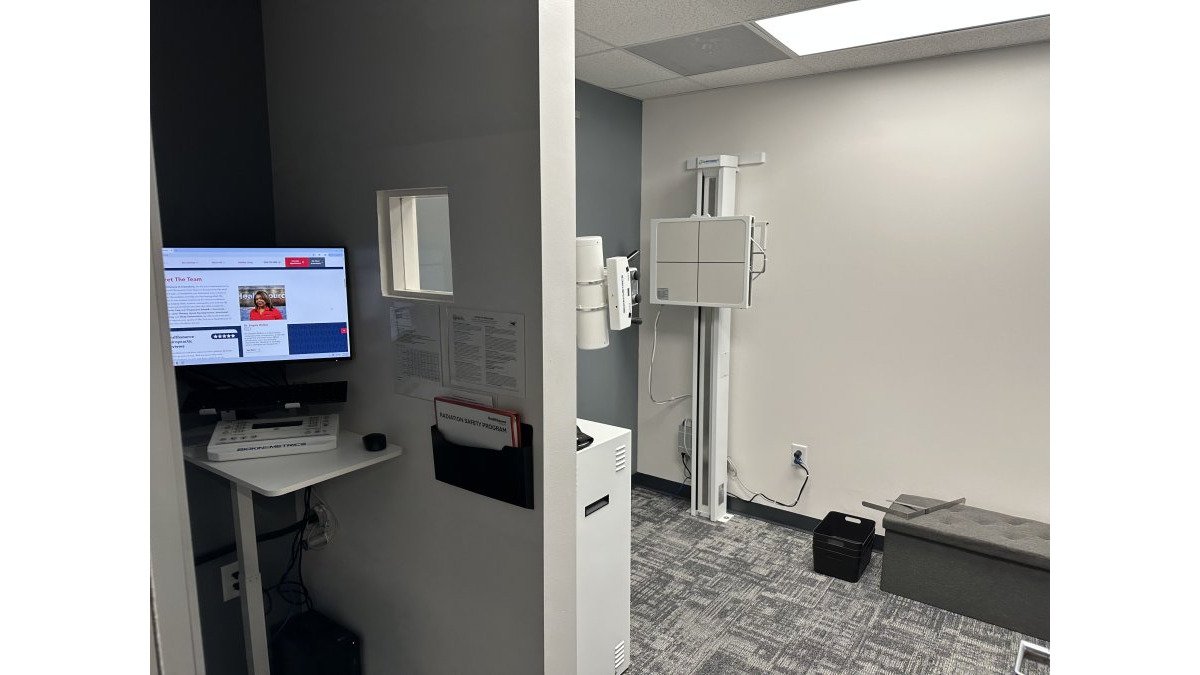
Recovery begins with thorough evaluation: injury history review, orthopedic and neurological tests, and X-rays or advanced imaging to identify the root cause.
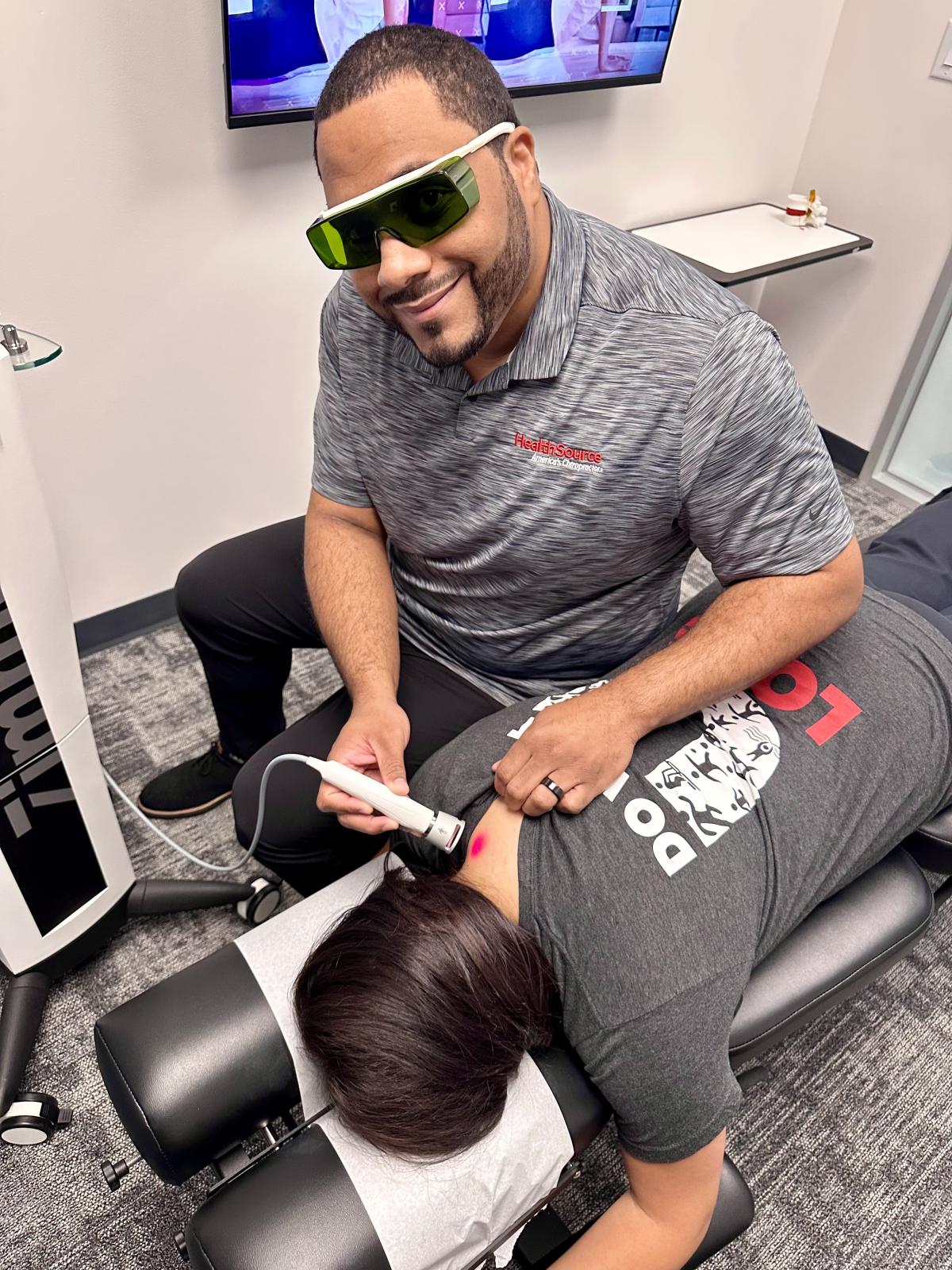
Step 2: Spinal Adjustment and Soft Tissue Therapy
Spinal adjustments restore proper vertebral alignment, reducing nerve impingement, decreasing inflammation, and restoring joint function. Most patients feel immediate relief, though full healing takes time.
Step 3: Chiropractic Rehabilitation Protocols and Functional Exercise
Rehabilitation protocols combine targeted exercises with functional training to rebuild strength and stability, restoring your capacity to handle work demands without re-injury.
Step 4: Ergonomic Assessment and Workstation Optimization
An ergonomic assessment identifies how your workspace or work habits contributed to injury. Your chiropractor reviews your workstation and job tasks, then provides specific adjustments you can implement immediately.
For desk workers, the assessment covers:
-
Monitor height and distance: Position the top of the screen at or slightly below eye level, 20-26 inches from your eyes. Too low causes neck strain; too far causes forward lean and lower back compression.
-
Desk and chair height: Elbows at 90 degrees when hands rest on keyboard; feet flat on floor. Incorrect height causes lower back or shoulder strain.
-
Keyboard and mouse placement: Both directly in front at elbow height. Side reaching strains the rotator cuff; keyboard trays help achieve proper positioning.
-
Lumbar support: Chair should have lumbar curve support; a lumbar pillow can substitute if needed.
-
Break frequency: Take breaks every 45-60 minutes with standing, walking, or gentle stretching to prevent joint stiffness.
-
Lifting mechanics: Bend at knees and hips, keep load close to body (within 10 inches), avoid twisting. Your chiropractor will correct patterns in real time.
-
Load limits: Your chiropractor assesses maximum safe weight during recovery, progressing as healing advances. Exceeding limits causes re-injury.
-
Repetitive motion pacing: Alternate tasks or take micro-breaks every 20-30 minutes to prevent cumulative strain.
-
Equipment and tools: Ergonomic tools and equipment maintenance prevent awkward postures and re-injury.
For all workers, the assessment includes:
- Postural awareness training: Learn to recognize and maintain neutral spine position throughout your workday.
- Workstation photos or video: Visual records help identify problems and communicate adjustments to your employer.
Step 5: Return-to-Work Progression
The right progression matches healing timeline to job demands. Your chiropractor gradually increases activity and tests tolerance before full duty.
| Recovery Phase | Duration | Focus | Expected Outcome |
|---|---|---|---|
| Initial Assessment | 1 visit | Diagnosis and documentation | Clear understanding of injury |
| Active Treatment | 2-6 weeks | Adjustments and soft tissue therapy | Pain reduction and improved mobility |
| Rehabilitation | 4-8 weeks | Functional exercises and strengthening | Restored strength and stability |
| Ergonomic Optimization | Ongoing | Workstation adjustments and postural training | Injury prevention and long-term wellness |
Workers' Compensation Chiropractic Treatment: Documentation and Claims
Chiropractic care is covered under workers' compensation, but the process requires precise documentation and timely reporting.
Immediate Steps After a Workplace Injury
Report the injury to your supervisor within 24-48 hours, even if pain is mild. Late reporting can result in claim denial. Your employer must provide a workers' compensation claim form.
What Your Chiropractor Must Document
Your chiropractor's records are the foundation of your claim. They must include:
- Date and time of injury: Exact when the incident occurred
- Mechanism of injury: How it happened (e.g., "lifted 50-lb box with twisting motion," not just "back strain")
- Symptoms at time of injury: What you felt immediately (sharp pain, numbness, weakness)
- Functional limitations: What you cannot do (cannot lift, cannot sit longer than 30 minutes, cannot drive)
- Objective findings: What the chiropractor observes (reduced range of motion, muscle spasm, neurological deficits)
- Diagnosis: The specific condition (e.g., L4-L5 disc herniation with nerve root irritation)
- Treatment provided: Each adjustment, therapy, or exercise prescribed
- Progress notes: How you're responding to treatment week by week
- Work restrictions: Any temporary limitations your chiropractor recommends
Coordinating With Your Employer and Insurance Company
Provide your workers' compensation claim number to your chiropractor's billing department. If your employer uses a specific carrier or administrator, share that contact information.
Common Claim Denials and How to Avoid Them
Common claim denials result from: late reporting (report within 24-48 hours), vague documentation (use specific descriptions), out-of-network treatment (verify network requirements), lack of progress notes, or failure to follow restrictions.
Keeping Records for Your Protection
Maintain your own file of all documentation:
- Copy of the initial injury report you filed with your employer
- Workers' compensation claim number and carrier information
- All medical records from your chiropractor (request copies at each visit)
- Billing statements showing what was billed to workers' compensation
- Any correspondence from the insurance company
- Photographs of your workspace or the equipment involved in the injury (if relevant)
- A personal timeline of your symptoms and recovery progress
If a claim is denied or delayed, you have the right to appeal. Your chiropractor's documentation is your strongest evidence. States have workers' compensation boards or divisions that handle disputes; your state's labor department website provides appeal procedures and contact information.
How Chiropractic Care Strengthens Your Claim
Research shows that guideline-concordant chiropractic care, treatment that follows evidence-based protocols, reduces long-term time loss in workers' compensation cases. This means your treatment doesn't just help you recover; it demonstrates real value to the workers' compensation system by getting you back to work faster and preventing chronic disability. Insurance companies recognize this, which is why chiropractic care is covered under workers' compensation.
How Chiropractic Care Reduces Recovery Time
The speed of recovery under chiropractic care comes down to how the treatment works. Spinal adjustments restore proper alignment, which immediately reduces nerve pressure and muscle tension. This isn't temporary relief, it addresses the mechanical problem causing your pain.
What to Avoid During Workplace Injury Recovery
Certain actions slow recovery or make injuries worse. Ignoring pain and pushing through usually backfires. Pain is your body's signal that something needs attention. Pushing through it forces compensation patterns that create new problems.
Conclusion
Workplace injuries don't have to derail your career or your health. Chiropractic solutions for workplace injury recovery offer a proven path back to full function, faster than traditional approaches alone. At HealthSource Chiropractic of Greensboro, we combine spinal adjustments, soft tissue therapy, and Progressive Rehab with ergonomic assessment to address injuries at their root. Our personalized treatment plans use advanced technology and compassionate care to get you back to work safely.
Frequently Asked Questions
What are the most common types of workplace injuries treated by chiropractors?
Chiropractors commonly treat lower back strains, neck injuries, shoulder impingement, and repetitive strain injuries from desk work. Chiropractic care is particularly effective for musculoskeletal injuries, addressing issues like herniated discs, muscle tension, and nerve impingement that result from workplace accidents or poor ergonomics.
How does chiropractic care integrate with workers' compensation claims?
Chiropractors document treatment plans, injury assessments, and progress notes required by workers' compensation systems. Your provider submits medical records to your employer's insurance carrier, establishing the injury's connection to work and justifying ongoing treatment. This documentation supports your claim and helps establish a timeline for return-to-work protocols, ensuring you receive coverage for spinal adjustments, rehabilitative exercises, and other guideline-concordant care aligned with workers' compensation objectives.
How long does it typically take to recover from a workplace injury using chiropractic care?
Recovery timelines vary by injury severity and individual factors. Most patients experience noticeable improvement within 2-4 weeks of consistent care, though chronic injuries may require 8-12 weeks of treatment combined with functional rehabilitation to achieve full recovery.
What should I do immediately after sustaining an injury at work?
First, report the injury to your supervisor and seek immediate medical attention if needed. Apply ice for the first 24-48 hours to reduce inflammation, avoid heavy lifting or strenuous activity, and document the incident with photos and witness statements. Schedule a chiropractic evaluation within 48-72 hours to assess spinal alignment and soft tissue damage. Early intervention establishes medical documentation required by workers' compensation systems.