 ultimate-guide
Best Chiropractic Techniques for Spinal Decompression
Last Updated: September 28, 2026
Best Chiropractic Techniques for Spinal Decompression
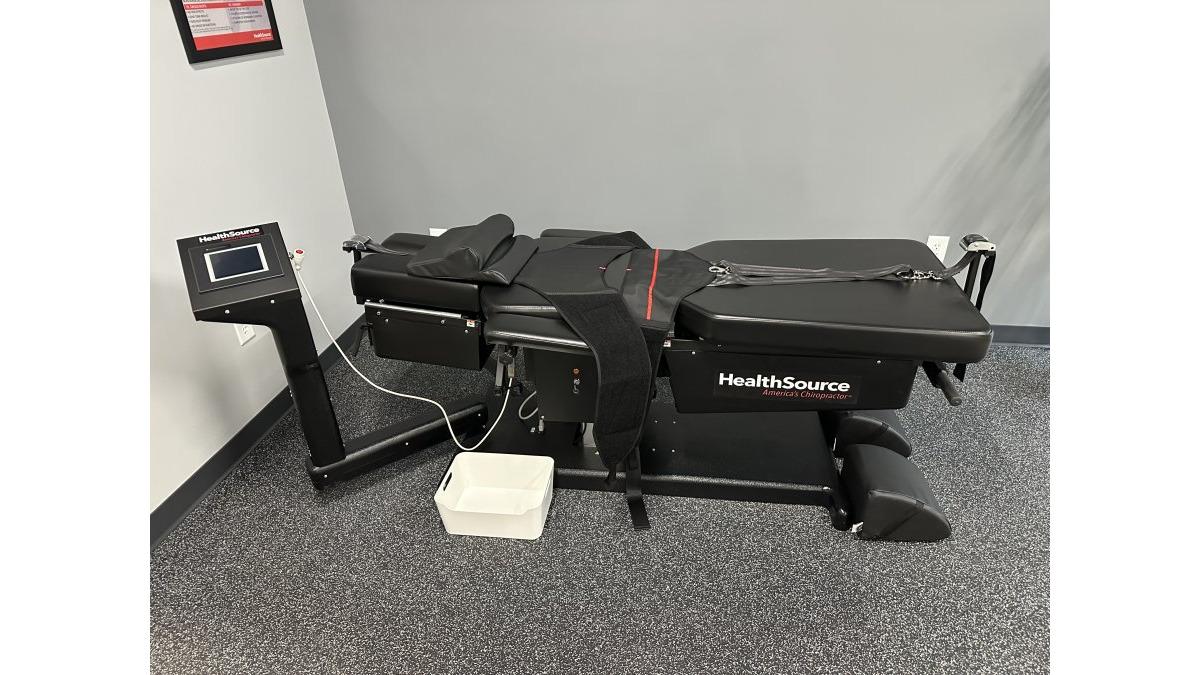
Spinal decompression succeeds in 71% to 89% of patients, per Inspine Chiropractic's decompression outcomes review. At HealthSource Chiropractic of Greensboro, the best chiropractic techniques for spinal decompression combine mechanical traction, flexion-distraction, and manual adjustment into one plan, matched to your condition, imaging, and table tolerance.
What to Expect During Spinal Decompression and Therapy Duration
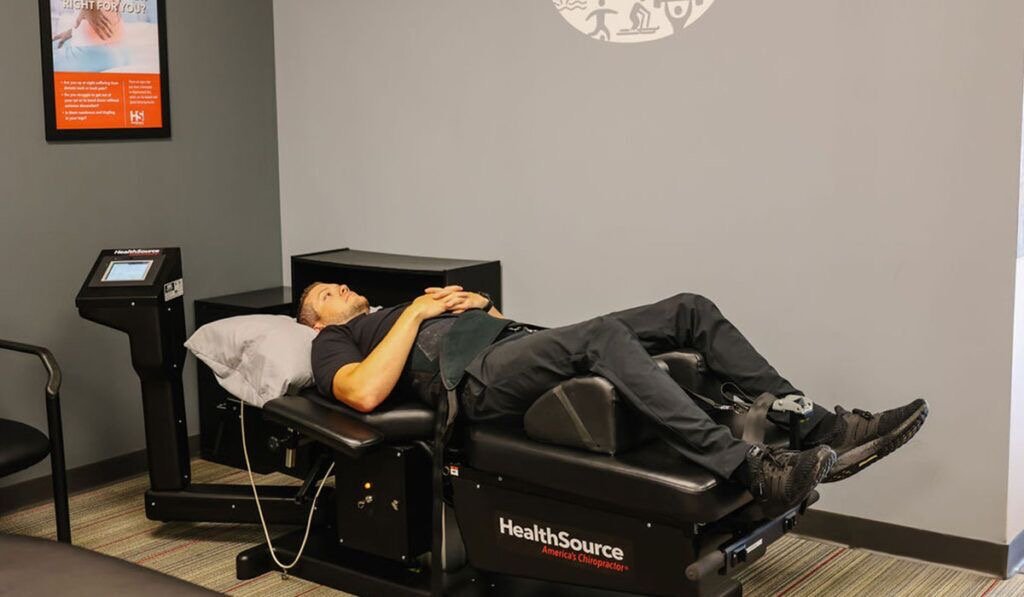
Your first visit includes consultation, exam, and imaging review; the table then applies a controlled, gradual stretch in cycles, using sensors to detect muscle resistance.
Non-Surgical Spinal Decompression Benefits and Safety
Benefits include reduced pain, improved mobility, and a drug-free path for herniated discs and sciatica. A Parker University study on lumbar disc lesions found improvement in pain for 80% of patients, disability for 50%, and subjective recovery for 75%. The technique creates negative pressure inside discs, drawing bulging material back toward center.
| Technique | Best For | Typical Session | Key Benefit |
|---|---|---|---|
| Mechanical traction | Herniated or bulging discs | 20-45 min | Sustained negative pressure |
| Flexion-distraction | Sciatica, facet joint pain | 15-30 min | Segmented, controlled stretch |
| Integrated plan | Complex or chronic cases | 45-60 min | Combines all three |
Chronic back or neck pain rarely resolves with a single adjustment, and it rarely needs surgery either. HealthSource Chiropractic of Greensboro builds personalized plans that combine spinal decompression, Progressive Rehab®, functional exercise, and class IV laser therapy to address the root cause rather than just the symptom. If you're tired of temporary relief, schedule an appointment and get a plan built around your actual condition.