 ultimate-guide
Chiropractic Care After Auto Accident: Recovery Guide
Table of Contents
- Why Immediate Chiropractic Care After an Auto Accident Matters
- Common Auto Accident Injuries Treated by Chiropractors
- Whiplash Treatment After Car Accident: What to Expect
- How Long Does It Take to Recover From Car Accident Injuries
- Documenting Injuries for Insurance Claims
- Chiropractic Care vs. Medical Doctor: When to See Each
- Red Flags That Require Immediate Medical Attention
- Your First Chiropractic Appointment After an Auto Accident
- Frequently Asked Questions
Last Updated: September 23, 2026
Why Immediate Chiropractic Care After an Auto Accident Matters
An auto accident can cause injuries that don't always show up immediately, which is why chiropractic care auto accident treatment within 72 hours is critical. Whiplash, spinal misalignment, and soft tissue damage often develop over hours or days after impact. This is why seeking chiropractic care after auto accident injury within the first 72 hours is critical, it's the window where intervention prevents long-term complications.
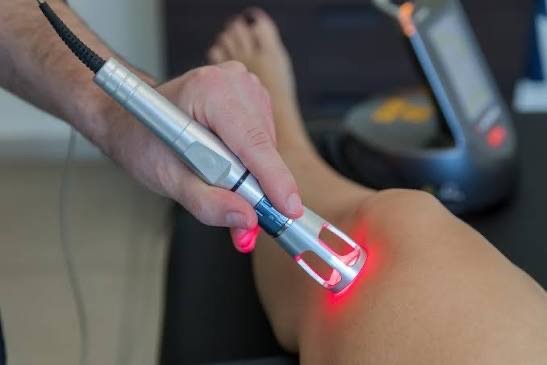
According to Insurance Research Council research on post-collision recovery, patients who sought chiropractic care after an auto accident were 42% less likely to experience long-term pain. That's not a small difference. It's the gap between recovering in weeks and dealing with chronic pain for years.
At HealthSource Chiropractic of Greensboro, early intervention can change outcomes. The sooner you address musculoskeletal injuries from an accident, the faster your body can heal. Waiting weeks or months allows inflammation to build, scar tissue to form, and compensation patterns to lock in, all of which make recovery harder and longer.
Most people think they're fine after an accident because adrenaline masks pain. By the time symptoms emerge, precious healing time has passed. This is where chiropractic care differs from simply waiting to see if you feel better.
Common Auto Accident Injuries Treated by Chiropractors
Auto accidents create specific injury patterns depending on impact angle, vehicle type, and body position at the moment of collision. Understanding what chiropractors treat helps you recognize whether your symptoms warrant care.
Whiplash and Cervical Spine Injuries
Whiplash happens when your head snaps forward and backward rapidly, stretching the cervical spine beyond its normal range. The cervical vertebrae, discs, and surrounding soft tissues absorb forces they weren't designed to handle. This injury is deceptive, you can feel fine for days, then wake up with severe neck pain and restricted range of motion.
A retrospective review from the National Center for Biotechnology Information examined motor vehicle accident cases and found that cervical spine injuries showed distinct patterns based on collision type and individual factors. Chiropractors treat whiplash by reducing inflammation, restoring proper vertebral alignment, and rebuilding strength in the neck stabilizers.
The goal isn't just pain relief. It's preventing the chronic neck pain and headaches that plague whiplash victims years later. Without proper treatment, scar tissue forms in the muscles and ligaments, creating permanent stiffness.
Lumbar Spine and Lower Back Pain
Lower back injuries are common in rear-impact collisions. The force compresses the lumbar spine and can damage discs, facet joints, and supporting muscles. Some people feel immediate pain; others develop it gradually as inflammation builds.
Lumbar spine injuries vary widely. A mild strain might resolve in weeks. A disc herniation or facet joint injury can cause months of pain. Chiropractors assess the extent of damage through examination and imaging, then design treatment to restore lumbar mobility and reduce nerve irritation.
The lumbar spine bears most of your body weight. Protecting it after an accident prevents the chronic lower back pain that affects your ability to work, exercise, and enjoy life.
Soft Tissue Damage and Muscle Tension
Muscles, ligaments, and tendons absorb impact forces during a collision. This soft tissue damage creates inflammation, muscle guarding, and trigger points that refer pain to other areas. A person might feel pain in their shoulder but the real problem is muscle tension in the upper back.
Soft tissue therapy addresses this directly. Techniques like trigger point work and myofascial release reduce adhesion buildup and restore normal muscle function.
Whiplash Treatment After Car Accident: What to Expect
Whiplash treatment isn't one-size-fits-all. Your chiropractor develops a personalized plan based on injury severity, your age, and how your body responds to care. Understanding the process removes fear and helps you commit to recovery.
How Spinal Adjustments Restore Range of Motion
Spinal adjustments realign vertebrae that shifted during impact. When vertebrae misalign, they restrict nerve function and limit the range of motion in your neck or back. An adjustment applies precise force to restore proper positioning.
Soft Tissue Therapy and Inflammation Reduction
While adjustments address bone and joint alignment, soft tissue therapy targets the muscles and connective tissues that were stretched or torn during impact. Inflammation is the body's natural response to injury, but excessive inflammation delays healing and increases pain.
How Long Does It Take to Recover From Car Accident Injuries
Recovery timeline depends on injury severity. According to Essential Chiro Care clinical guidelines for post-accident rehabilitation, optimal outcomes are achieved when chiropractic care begins within 72 hours of the incident.
Documenting Injuries for Insurance Claims
Insurance claims require documentation. Without proper records, you may struggle to get your treatment covered or prove your injuries in a personal injury case.
What Records You Need to Gather
Start with your accident report. Get a copy from the police department or the other driver's insurance company. This establishes the facts of the collision and is the foundation of your claim.
How Chiropractic Documentation Supports Your Claim
Chiropractors document injuries using clinical language that insurance companies and attorneys understand. Diagnostic imaging, X-rays or MRI, provides objective evidence of misalignment, disc damage, or other structural problems. This documentation is far more persuasive than verbal claims of pain.
Chiropractic Care vs. Medical Doctor: When to See Each
Both chiropractors and medical doctors treat auto accident injuries, but they approach care differently. Understanding when to see each helps you get the right treatment at the right time.
Red Flags That Require Immediate Medical Attention
Some symptoms demand emergency care. If you experience any of these after an accident, go to an emergency room immediately:
- Severe headache or dizziness
- Loss of consciousness, even briefly
- Numbness or tingling in limbs
- Difficulty speaking or swallowing
- Vision changes or eye pain
- Severe chest or abdominal pain
- Loss of bladder or bowel control
- Weakness or paralysis
Your First Chiropractic Appointment After an Auto Accident
Your first appointment sets the foundation for recovery. Knowing what to expect removes anxiety and helps you communicate effectively with your chiropractor.
Diagnostic Imaging and Assessment
Your chiropractor begins with a detailed history: how the accident happened, what symptoms you're experiencing, how those symptoms are affecting your life. This context matters because it helps your chiropractor understand your injury pattern.
Personalized Treatment Planning
After assessment, your chiropractor explains findings in plain language and shows you imaging results. They outline a treatment plan including frequency of visits, specific techniques, and expected timeline for improvement.
| Treatment Phase | Typical Duration | Focus |
|---|---|---|
| Acute inflammation | 2-4 weeks | Pain reduction, inflammation control |
| Restoration | 4-12 weeks | Range of motion, strength rebuilding |
| Maintenance | Ongoing | Prevent reinjury, maintain function |
Frequently Asked Questions
How soon should you see a chiropractor after a car accident?
Optimal outcomes for crash recovery are achieved when chiropractic care begins within 72 hours of the incident. Early intervention helps prevent inflammation from worsening and reduces the risk of long-term complications. Even if you feel fine immediately after the accident, soft tissue damage and musculoskeletal injuries can develop over hours or days, making prompt evaluation critical for your recovery.
Is it a good idea to go to a chiropractor after a car accident?
Yes. Chiropractors specialize in diagnosing and treating musculoskeletal injuries common in auto accidents, such as whiplash, spinal misalignment, and soft tissue damage. A comprehensive evaluation can identify injuries that may not be immediately apparent and help prevent chronic pain from developing.
What are the common symptoms of whiplash that chiropractors treat?
Whiplash symptoms include neck pain and stiffness, headaches, shoulder tension, reduced range of motion, and sometimes radiating pain down the arms. Some patients experience dizziness, fatigue, or difficulty concentrating. A chiropractor can perform diagnostic imaging and physical assessments to confirm whiplash and develop a targeted treatment plan using spinal adjustments, soft tissue therapy, and rehabilitation exercises.
What should I expect during my first chiropractic appointment after an accident?
Your first appointment includes a detailed medical history, physical examination, and likely diagnostic imaging such as X-rays to assess spinal alignment and identify injuries. The chiropractor will evaluate your range of motion, muscle strength, and neurological function. Based on findings, they will explain your diagnosis and develop a personalized treatment plan that may include spinal adjustments, soft tissue therapy, and functional rehabilitation. This comprehensive approach ensures your treatment addresses the root cause of your pain, not just symptoms.
How does chiropractic care integrate with other injury rehabilitation protocols?
Chiropractic care works alongside physical therapy, medical treatment, and other rehabilitation modalities to support complete recovery. Chiropractors use spinal adjustments to restore proper alignment and joint mobility, while soft tissue therapy addresses muscle tension and adhesions. Functional rehabilitation and exercise programs rebuild strength and stability. This integrated approach targets inflammation reduction, pain management, and restoration of biomechanical function, creating a comprehensive path to healing that prevents long-term chronic pain and restores your quality of life.
Will chiropractic care prevent me from needing surgery after a car accident?
While chiropractic care cannot guarantee the prevention of surgery, early and comprehensive treatment significantly reduces the risk of long-term complications that may require surgical intervention. By addressing musculoskeletal injuries promptly, reducing inflammation, and restoring proper biomechanics, chiropractic care supports tissue healing and functional restoration. However, some injuries may require medical evaluation or surgical consultation. A chiropractor can help you understand your condition and work with your medical doctor to determine the best course of action for your specific situation.