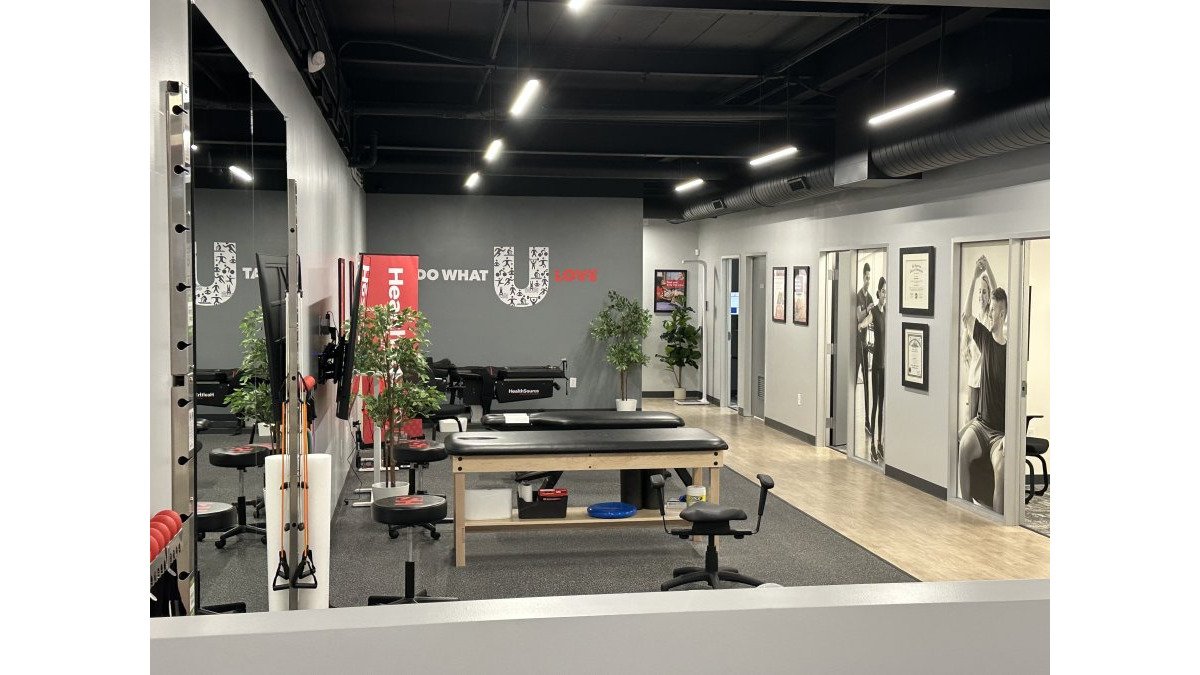
 ultimate-guide
Progressive Rehab for Back Pain: Benefits & Recovery
Table of Contents
- What Progressive Rehab for Back Pain Actually Does
- How Progressive Rehab Reduces Pain and Inflammation
- Strengthening Core and Spinal Muscles Through Functional Exercise for Back Pain
- Restoring Range of Motion and Spinal Stability
- Benefits of Chiropractic Care for Back Pain Combined with Progressive Rehab
- How to Prevent Recurring Back Pain with Progressive Rehabilitation
- What to Expect: Timeline and Realistic Outcomes
- Frequently Asked Questions
Last Updated: September 28, 2026
What Progressive Rehab for Back Pain Actually Does
Progressive rehab back pain is a structured, evidence-based approach to recovery that gradually increases exercise intensity and complexity as your body heals. Unlike passive treatments that focus solely on pain relief, progressive rehabilitation combines targeted strengthening, flexibility work, and functional movement patterns to address the root cause of your pain rather than just masking symptoms.
The key difference lies in the progression itself. Your treatment starts with gentle, controlled movements designed to reduce inflammation and restore basic range of motion. As you improve, the exercises become more challenging, building strength in the muscles that support your spine. According to research from the University of Washington analyzing 150,000 insurance claims, patients who receive early physical therapy for low-back pain achieve significantly better outcomes than those who delay treatment.
At HealthSource Chiropractic of Greensboro, we integrate progressive rehab back pain with chiropractic adjustments and specialized therapies to create a comprehensive recovery plan. This multi-modal approach addresses pain from multiple angles: restoring spinal alignment, reducing inflammation, rebuilding strength, and retraining your nervous system to support healthy movement patterns. The result is lasting relief rather than temporary fixes.
How Progressive Rehab Reduces Pain and Inflammation
The mechanism behind pain reduction in progressive rehab operates on two interconnected levels: tissue-level healing and nervous system retraining. Understanding both is critical because addressing only one often leads to incomplete recovery.
Tissue-Level Inflammation and Healing
When you sustain a back injury, inflammatory response is immediate. Damaged tissues release inflammatory markers that trigger pain signals and restrict movement as a protective mechanism. Gentle, controlled movement increases blood flow to the affected area, delivering oxygen and nutrients that accelerate tissue repair. Research shows that aerobic exercise produces measurable reductions in pain intensity and pain interference within 6 weeks, according to findings published by the National Institutes of Health. The body responds to controlled activity by releasing endorphins, natural pain-relieving chemicals, while simultaneously reducing inflammatory markers in the bloodstream.
Progressive loading is critical here. If you jump into intense exercise too quickly, you risk re-injury and increased inflammation. Progressive rehab respects your healing timeline, introducing new challenges only when your tissues are ready. This measured approach prevents setbacks and builds confidence in your body's capacity to move without pain.
Nervous System Retraining and Kinesiophobia
Beyond tissue healing, progressive rehab addresses a psychological barrier that most pain management approaches overlook: kinesiophobia, or fear of movement. Chronic back pain often creates a protective cycle where the nervous system learns to interpret normal movement as dangerous, triggering pain signals even after tissues have healed. This learned pain response can persist long after the original injury resolves, trapping patients in a cycle of avoidance and deconditioning.
Progressive rehab systematically retrains your nervous system by proving, through repeated, successful movement experiences, that controlled activity is safe. Each time you perform an exercise without pain or re-injury, your nervous system updates its threat assessment. Over weeks of progressive challenge, your brain recalibrates its pain response, reducing pain-related fear and anxiety. This neurological adaptation is why progression matters: jumping to advanced exercises too quickly triggers protective guarding and reinforces fear, while gradual progression builds confidence and nervous system resilience.
Research in pain neuroscience demonstrates that patients who understand this mechanism and actively engage in progressive challenge show faster recovery and lower recurrence rates than those who remain passive. The psychological shift, from "movement is dangerous" to "my body is capable", is as important as the physical strengthening itself.
Strengthening Core and Spinal Muscles Through Functional Exercise for Back Pain
Core stability is the foundation of spinal health. Your core muscles, including the deep abdominal muscles, multifidus, and erector spinae, work together to stabilize your spine during everyday activities. When these muscles are weak or imbalanced, your spine lacks support, leading to poor posture, increased stress on discs and joints, and recurring pain.
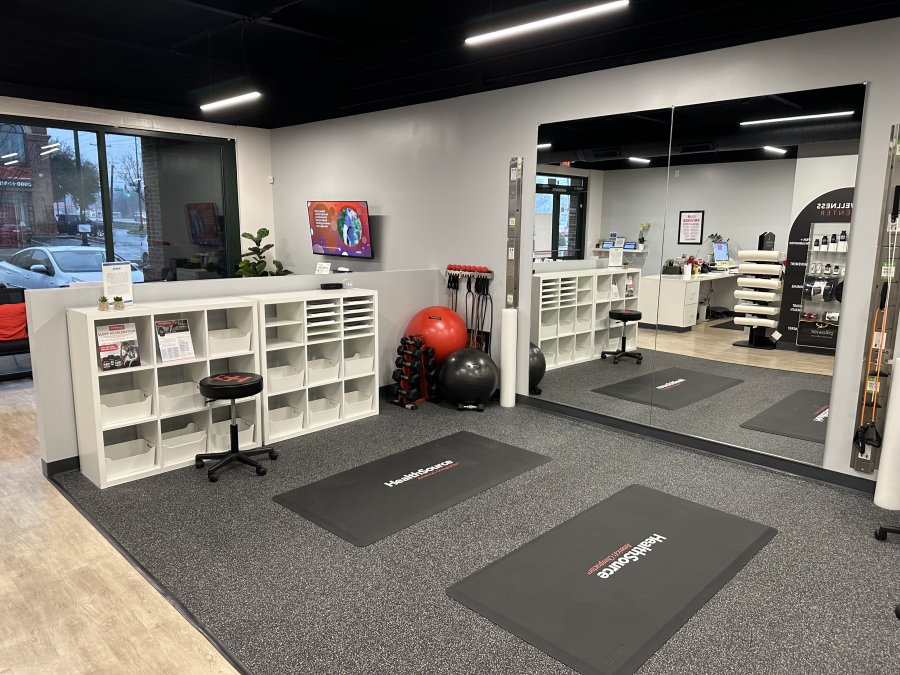
Progressive Rehab® + Functional Exercise
Functional exercise for back pain differs from isolated gym exercises. Rather than doing crunches or leg lifts in isolation, functional exercises train your core to stabilize your spine while you perform real-world movements: bending, lifting, twisting, and walking. This specificity matters because it prepares your muscles for the demands you'll actually face.
A study on progressive strength training published in MDPI (2020) found that participants showed increased lumbar extensor strength and reduced the number of pain sites after completing a structured program. The intervention group demonstrated measurable improvements in both strength and pain reduction, validating the effectiveness of targeted muscular development.
Progressive loading in core training follows a clear sequence:
- Phase 1: Isometric holds and controlled breathing to activate deep stabilizers
- Phase 2: Dynamic movements with stable bases (e.g., bird dogs, planks with modifications)
- Phase 3: Unstable surface training (balance boards, resistance band work)
- Phase 4: Sport-specific or activity-specific movements
Restoring Range of Motion and Spinal Stability
Limited range of motion often accompanies chronic back pain. Tight muscles, stiff joints, and protective muscle guarding all restrict your ability to move freely. Restoring range of motion requires systematic flexibility training paired with stability work, you need both mobility and control.
Benefits of Chiropractic Care for Back Pain Combined with Progressive Rehab
Chiropractic adjustments restore proper spinal alignment, which is essential for effective progressive rehab. When vertebrae are misaligned, surrounding muscles work harder to compensate, creating muscle tension and limiting your ability to engage the right muscles during exercises. Adjustments remove this barrier, allowing your rehabilitation exercises to be more effective.
How to Prevent Recurring Back Pain with Progressive Rehabilitation
The most valuable benefit of progressive rehab is prevention. Once you've completed your rehabilitation program, the strength, flexibility, and movement patterns you've developed serve as insurance against future injury. Your body remembers the correct movement patterns, and your muscles maintain the strength to support your spine.
What to Expect: Timeline and Realistic Outcomes
Recovery timelines vary based on pain severity, how long you've had the problem, and how consistently you follow your program. However, rather than relying on subjective feelings, progressive rehab uses objective metrics to track progress and adjust treatment accordingly.
Objective Metrics for Measuring Progress
- Pain Scale Tracking: Numeric Pain Rating Scale (0-10) measured at each visit and during specific movements. Most patients see improvement within 2-4 weeks, with continued improvement through 8-12 weeks.
- Functional Movement Screens: Standardized tests that assess your ability to perform key movements, forward bending, rotation, lateral flexion, without pain or compensation patterns. Improvement in these screens directly correlates with real-world function.
- Range of Motion Measurements: Goniometry (angle measurement) of spinal flexion, extension, and rotation. Typical improvements can be seen over 6-8 weeks, depending on baseline limitation.
- Strength Testing: Quantified muscle strength in core stabilizers and spinal extensors, measured via manual muscle testing or dynamometry. Patients typically show strength gains by week 6.
- Functional Capacity Assessments: Timed tests like the Timed Up and Go, 6-Minute Walk Test, or ability to perform work-related tasks. These directly measure your capacity to return to normal activities.
- Oswestry Disability Index (ODI): A validated questionnaire measuring how back pain affects daily activities (dressing, walking, sitting, etc.). Scores range from 0-100; most patients improve over 8-12 weeks.
Realistic Timeline by Phase
Factors That Influence Timeline
Recovery speed depends on several variables:
- Chronicity: Acute pain (less than 6 weeks) typically resolves faster than chronic pain (6+ months), which requires longer nervous system retraining.
- Severity: Mild to moderate pain responds faster than severe pain or post-surgical conditions.
- Consistency: Patients who consistently complete prescribed exercises progress faster than those with poor adherence.
- Age and Comorbidities: Younger patients and those without diabetes or other inflammatory conditions typically progress faster.
- Work Demands: Patients in sedentary jobs often progress faster than those in physically demanding roles.
Frequently Asked Questions
What is progressive rehab for back pain?
Progressive rehab is a structured, phase-based approach to recovery that gradually increases exercise intensity and complexity as your strength improves. It begins with pain control and range-of-motion work, then progresses to strengthening, functional movement patterns, and cardiovascular conditioning. This staged method prevents reinjury while building the spinal stability and core strength needed to support your spine long-term.
How long does progressive rehab typically take to show results?
Clinical studies show that patients can experience measurable reductions in pain intensity within 6 weeks of consistent progressive rehab. However, full functional recovery and the ability to prevent recurrence typically requires 3-6 months of ongoing treatment. A clinical report found that participants reported improvements in pain or disability after three years, with many maintaining positive outcomes long-term.
Can progressive rehab actually prevent recurring back pain?
Yes. Progressive rehab addresses the root causes of chronic low back pain by rebuilding lumbar extensor strength, improving neuromuscular control, and restoring proper biomechanics. Research shows that patients who complete progressive rehabilitation programs experience significantly lower rates of recurrent injury compared to those who skip structured recovery. The key is consistency and progression—stopping too early allows weakness to return.
How is progressive rehab different from standard physical therapy?
Progressive rehab emphasizes systematic progression: starting with foundational stability work and methodically advancing to higher-demand functional exercises. Standard physical therapy may focus more on pain relief or mobility alone. Progressive rehab combines chiropractic adjustments, functional exercise progression, and patient education to build lasting strength and prevent future episodes, rather than treating symptoms in isolation.