 ultimate-guide
Non-Invasive Back Pain Treatment Options 2026
Table of Contents
- Understanding Non-Invasive Back Pain Treatment Options
- Non-Surgical Back Pain Treatment: Conservative Care as First-Line Approach
- Chiropractic Care for Back Pain: Specialized Adjustment and Manipulation
- Back Pain Exercises and Functional Rehabilitation
- Spinal Decompression Therapy and Minimally Invasive Options
- Medication Management and Anti-Inflammatory Strategies
- At-Home Pain Management and Activity Modification
- When to Seek Urgent Care and Red Flags
- Frequently Asked Questions
Last Updated: October 5, 2026
Understanding Non-Invasive Back Pain Treatment Options
Back pain affects millions every year, and most don't need surgery.
The good news: evidence supports multiple pathways to recovery. According to research on evidence-based interventions for chronic low back pain, exercise, manual therapy, and psychological therapies consistently rank among the most effective treatments.
The challenge isn't a lack of solutions, but confusion about which approach works, when to try each one, and how long to stick with treatment.
Non-Surgical Back Pain Treatment: Conservative Care as First-Line Approach
Non-surgical back pain treatment starts with conservative care, the foundation of most recovery plans. Conservative care uses non-invasive methods to reduce pain, restore function, and prevent future episodes, addressing pain systematically before more invasive options.
How Conservative Care Works
Conservative care targets the underlying causes of pain rather than masking symptoms.
Physical methods play a central role. According to research on non-surgical treatments for lumbar pain, heat, laser therapy, and other physical modalities may improve local circulation and promote muscle relaxation.
Most people see meaningful improvement within weeks of consistent conservative care. Rushing to invasive procedures before conservative options are fully explored often leads to unnecessary risk.
When to Start Conservative Treatment
Conservative treatment should be your first step for most back pain.
For chronic low back pain lasting more than 12 weeks, conservative care is still the evidence-based starting point.
Red flags change this. If you have severe neurological symptoms, progressive weakness, or signs of serious underlying disease, seek urgent evaluation first. Otherwise, conservative treatment is where nearly everyone should begin.
Chiropractic Care for Back Pain: Specialized Adjustment and Manipulation
Chiropractic adjustment is one of the most researched non-invasive back pain treatment options. It applies controlled force to joints that have lost normal motion, restoring mobility and reducing pain signals.
How Chiropractic Adjustment Differs from Physical Therapy
Patients often ask whether chiropractic care and physical therapy are interchangeable. They're not, though they complement each other well.
Chiropractic adjustment restores joint mobility through manual manipulation.
Physical therapy emphasizes exercise, strengthening, and movement patterns, teaching you to move better, build supporting muscles, and prevent recurrence through active participation and long-term functional improvement.
Here's the practical difference: chiropractic care can provide immediate relief and restore motion. Physical therapy builds the foundation to keep pain from returning.
Evidence and Safety Considerations
Chiropractic adjustment for back pain has substantial research support.
Proper diagnosis matters most before treatment begins. A thorough evaluation identifies the specific source of your pain and confirms adjustment is appropriate.
One honest limitation: adjustment works better for some conditions than others. Joint dysfunction and mechanical pain respond well; nerve compression causing radiating pain may require additional interventions. A skilled practitioner will recognize these distinctions and adjust the plan accordingly.
Back Pain Exercises and Functional Rehabilitation
Exercise is perhaps the most powerful non-invasive back pain treatment available. Unlike passive treatments that provide temporary relief, therapeutic exercise builds strength, improves mobility, and creates lasting change.
Types of Therapeutic Exercises
Therapeutic exercises fall into several categories, each serving a specific purpose.
Mobility exercises restore normal joint motion and muscle flexibility through gentle stretches, controlled movements, and range-of-motion work.
Functional exercises train movements you perform in daily life.
Progressive resistance exercises build power and endurance. Gradually increasing resistance through weights, bands, or bodyweight progression ensures continued improvement and prevents plateau.
Building a Sustainable Home Exercise Program
Prescribed exercises only work if you actually do them, so choose exercises you'll maintain long-term.
Start with 2-3 exercises daily to build consistency, then add complexity or intensity. Most people find 15-20 minutes daily sustainable; 60-minute sessions often lead to burnout.
Proper form matters more than quantity: five perfect repetitions beat twenty with poor technique.
Track what works with a simple log of which exercises reduce pain and which don't.
Spinal Decompression Therapy and Minimally Invasive Options
When conservative care provides partial relief but not complete resolution, spinal decompression therapy bridges exercise and injection-based treatments.
How Spinal Decompression Works
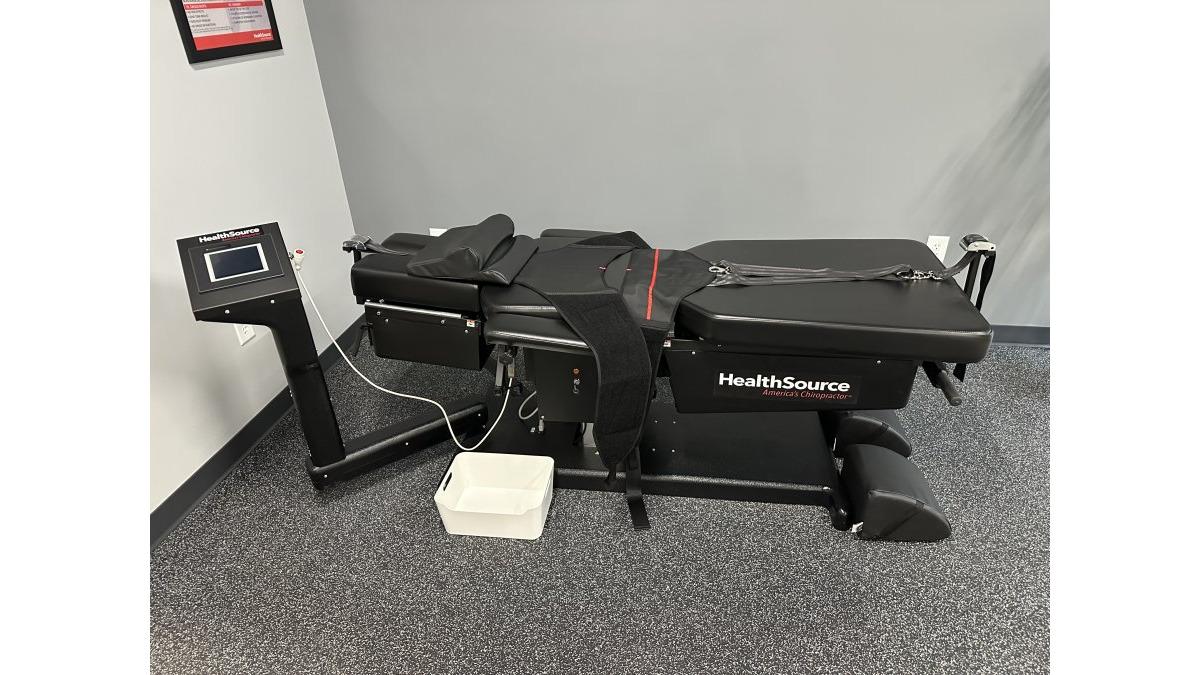
Spinal decompression uses mechanical or manual techniques to reduce pressure on nerves and discs. If a disc presses on a nerve or joints compress neural tissue, reducing that compression reduces pain.
Manual decompression uses specific practitioner techniques to decompress joints and create space, often part of a comprehensive chiropractic approach combined with other therapies.
The evidence is mixed but promising.
Targeted Spinal Injections and When They're Appropriate
Epidural steroid injections place medication around the spinal cord to reduce inflammation of compressed nerves.
When are injections appropriate? After 6-8 weeks of conservative care without adequate relief, they can provide the pain reduction needed to progress with exercise and rehabilitation.
One important note: recent research on de-implementation of spinal injections suggests that some injection practices may be overused in pain management.
| Treatment Type | Primary Benefit | Timeline to Relief | Best For |
|---|---|---|---|
| Conservative care | Long-term improvement | 4-12 weeks | Initial treatment, most patients |
| Chiropractic adjustment | Immediate mobility | 1-3 sessions | Joint dysfunction, acute pain |
| Therapeutic exercise | Lasting strength | 6-12 weeks | Prevention, functional recovery |
| Spinal decompression | Nerve pressure relief | 4-6 weeks | Disc herniation, compression |
| Targeted injections | Inflammation reduction | 1-2 weeks | Breakthrough pain relief |
Medication Management and Anti-Inflammatory Strategies
Medication plays a supporting role in non-invasive back pain treatment, reducing inflammation enough that you can participate in movement and rehabilitation rather than masking pain indefinitely.
Over-the-counter nonsteroidal anti-inflammatory drugs (NSAIDs) like ibuprofen reduce inflammation and pain, working best for acute, inflammation-driven discomfort.
Prescription medications may include muscle relaxants for severe tension or stronger anti-inflammatories for moderate pain.
The critical principle: medication should enable you to move, exercise, and rehabilitate.
At-Home Pain Management and Activity Modification
The hours you spend at home matter more than time in a clinic. Effective at-home management accelerates recovery and prevents setbacks.
Heat, Cold, and Physical Comfort
Heat and cold serve different purposes. Ice reduces acute inflammation and works best in the first 48 hours after injury; heat promotes muscle relaxation and blood flow, working better for chronic stiffness and tension.
Use ice for acute flare-ups and inflammation, heat for chronic pain and before exercise. Fifteen to twenty minutes per application is typical; avoid prolonged heat or cold, which can damage tissue.
Positioning matters. Sleep position, sitting posture, and daily movement either support or stress your spine.
Posture, Ergonomics, and Daily Habits
Poor posture isn't the sole cause of back pain but contributes significantly. Sustained forward head posture, rounded shoulders, and anterior pelvic tilt create muscle imbalances and joint stress.
Ergonomic adjustments prevent stress accumulation.
Movement breaks prevent stiffness. If you sit for extended periods, stand and move every 30-45 minutes. Gentle walking, stretching, or position changes interrupt the static stress that builds pain.
Daily habits compound over time.
When to Seek Urgent Care and Red Flags
Not all back pain requires conservative care. Certain symptoms indicate you need immediate medical evaluation.
Severe trauma, falls from height, motor vehicle accidents, or significant impacts, warrants imaging and evaluation even if pain is mild.
Pain that doesn't improve after 12 weeks of appropriate conservative care deserves reassessment.
The distinction between "this needs conservative care" and "this needs urgent evaluation" is critical. When in doubt, get evaluated.
Back pain doesn't have to control your life. We diagnose the root cause of your pain and build a treatment plan that works for your specific situation. Schedule a consultation to discuss your back pain and discover how we can help you return to the activities you enjoy.
Frequently Asked Questions
What is the best non-invasive back pain treatment option?
The best non-invasive back pain treatment depends on your specific condition, pain duration, and prior treatment response. Research shows exercise, physical therapy, and chiropractic care are among the most effective evidence-based options. A qualified healthcare provider can assess your spine, herniated disc status, or other spinal conditions and recommend a personalized plan. Many patients benefit from combining approaches, such as chiropractic adjustment with functional exercise, rather than relying on a single treatment.
How long should I try non-surgical treatment before considering other options?
Most healthcare providers recommend committing to conservative, non-invasive care for 4 to 12 weeks before considering more invasive procedures, depending on your condition severity and response. If you have chronic low back pain with no improvement after 8-12 weeks of consistent treatment, or if symptoms worsen, a consultation with a spine specialist can help determine whether minimally invasive options like targeted spinal injections or radiofrequency ablation are appropriate. Keep detailed records of your pain levels and activity tolerance to track progress.
Can chiropractic care help with back pain?
Yes, chiropractic care, particularly spinal adjustment and manipulation, is recognized as an evidence-based treatment for chronic low back pain. Research identifies chiropractic adjustment among the most commonly used non-surgical treatments. Chiropractic care often works best when combined with functional exercise, activity modification, and other therapies. However, outcomes vary by individual and condition; a thorough diagnosis is essential to determine whether chiropractic care is appropriate for your specific spinal issue, such as a herniated disc or muscle strain.
Which exercises can help prevent recurring back pain?
Core-strengthening exercises, flexibility work, and functional movements that mimic daily activities are most effective for preventing recurrence. Research supports exercise as a primary intervention for chronic low back pain. Low-impact activities like walking, swimming, and yoga also help maintain strength and mobility. The key is consistency and proper form, working with a physical therapist or chiropractic professional ensures you perform exercises correctly and avoid compensation patterns that could worsen pain. A personalized program tailored to your condition and goals produces better long-term outcomes.
What is the newest treatment for lower back pain in 2026?
Current research is evaluating noninvasive approaches including high-intensity focused ultrasound and other advanced technologies for chronic low back pain. Physical methods such as low-level laser therapy and extracorporeal shock wave therapy continue to show promise for improving circulation and promoting muscle relaxation. However, the most effective 'newest' approach often combines proven conservative treatments, exercise, manual therapy, and psychological support, with targeted modern therapies. Consult with a qualified provider to learn which emerging options are appropriate for your specific condition and symptoms.
What should I avoid doing if I have back pain?
Avoid prolonged bed rest, which can weaken supporting muscles and worsen stiffness. Don't ignore persistent pain or red flags such as numbness in your legs, loss of bladder control, or severe pain following trauma, seek immediate medical attention. Limit heavy lifting and repetitive bending, especially with poor posture. Avoid high-impact activities that jar the spine if you have acute pain. Don't self-diagnose or rely solely on over-the-counter pain medication without addressing the underlying cause. A professional evaluation helps identify what activities are safe for your specific condition.
Is spinal decompression therapy effective for herniated discs?
Spinal decompression therapy is a non-invasive treatment designed to relieve pressure on the spine and nerve roots, making it potentially helpful for herniated disc pain. The therapy works by gently stretching the spine to reduce compression and improve circulation. Research suggests it may provide relief, but effectiveness varies by individual and disc location. A proper diagnosis, often confirmed by imaging, is essential to determine whether spinal decompression is appropriate for your herniated disc or other spinal condition. Your healthcare provider can discuss realistic expectations and monitor your response.
How do targeted spinal injections differ from surgery?
Targeted spinal injections, such as epidural steroid injections or trigger point injections, deliver medication directly to the area of pain to reduce inflammation and provide relief. They are minimally invasive, requiring only a needle injection, with minimal downtime compared to open surgery. Spinal fusion and other surgical procedures involve incisions, longer recovery periods, and greater risk. Injections are often used when conservative non-invasive care hasn't provided adequate relief but before considering surgery. However, a 2026 review notes that epidural injections are increasingly being evaluated for de-implementation, so discussion with your provider about long-term outcomes is important.