 ultimate-guide
How Much Does Chiropractic Treatment Cost in 2026?
Table of Contents
- What Drives Chiropractic Treatment Cost
- National Averages and Regional Pricing for Chiropractic Care
- Chiropractic Insurance Coverage: In-Network vs. Out-of-Network
- HSA and FSA Eligibility for Chiropractic Care
- How Chiropractic Treatment Plan Duration Affects Your Total Cost
- Sliding Scale and Low-Cost Community Clinics
- Frequently Asked Questions
Last Updated: September 12, 2026
What Drives Chiropractic Treatment Cost
The biggest factor in chiropractic treatment cost is not the adjustment itself, but the visit type, diagnostics, and whether the provider bills insurance as medical care or wellness.
A routine follow-up adjustment and a first-time visit with X-rays sit at opposite ends of the price spectrum. Understanding that split is the single most useful thing you can do before you book.
Initial Consultation vs. Follow-Up Visits
An initial consultation costs more than a follow-up because it includes a health history, physical and neurological exam, and a treatment plan. A follow-up typically covers the adjustment alone.
Most clinics structure fees this way:
- Initial consultation: exam, history, and often the first adjustment
- Follow-up visit: the adjustment and any brief re-assessment
- Re-exam: periodic checkpoints, billed closer to an initial visit
A common mistake is comparing one clinic's follow-up rate to another clinic's new-patient rate. Those are not the same service.
X-Ray Fees, Diagnostic Imaging, and Add-On Therapies
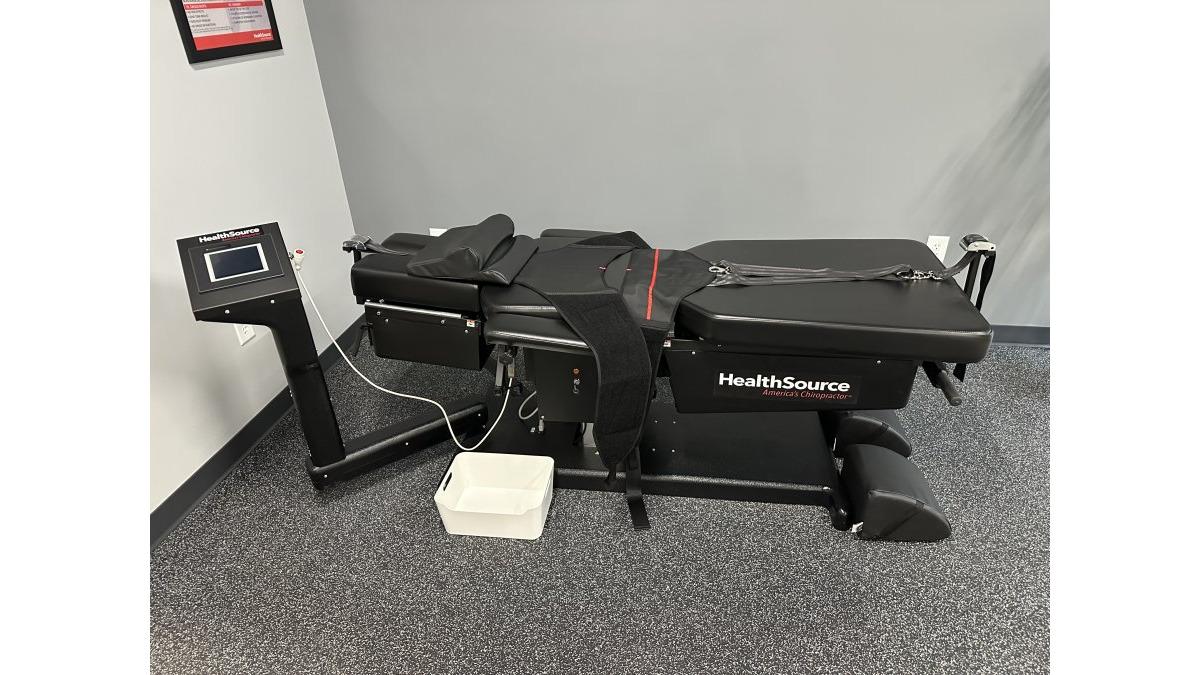
Diagnostic imaging is usually billed separately: X-ray fees and MRI referrals appear as their own line items. Add-on therapies such as massage, physiotherapy, laser therapy, or spinal decompression often carry separate charges or are folded into a bundled plan.
Ask for the fee schedule in writing before your first visit. Transparent pricing should list each service, not just a single "visit" number.
National Averages and Regional Pricing for Chiropractic Care
There is no single national average, because pricing tracks local rent, wages, and demand. Routine visits fall in a wide middle range, with boutique and franchise clinics at the higher end and community clinics at the lower end.
Regional pricing shifts with the cost of doing business: a dense metro area with high commercial rent prices above a smaller city with lower overhead, even for the same adjustment.
Rather than anchor on a national figure, compare three to five local providers on the same service. The spread within one market is often wider than between two markets.
| Cost Factor | Lower End | Higher End |
|---|---|---|
| Clinic type | Community, sliding scale | Boutique, franchise |
| Visit type | Follow-up adjustment | Initial + imaging |
| Billing | In-network insurance | Self-pay, out-of-network |
| Add-ons | None | Massage, decompression, laser |
Chiropractic Insurance Coverage: In-Network vs. Out-of-Network
Whether your health insurance coverage applies depends less on the treatment than on the provider's network status. An in-network provider contracts with your insurer and bills at negotiated rates; an out-of-network provider does not, so you may pay more upfront and seek reimbursement yourself.

Before booking, confirm whether the provider is in-network for your specific plan and whether your plan covers chiropractic care at all. Many plans cover it for musculoskeletal pain but exclude maintenance or wellness visits.
Deductibles, Copayments, and Co-Insurance Explained
A deductible is what you pay out of pocket before your plan shares costs. A copayment is a fixed fee per visit. Co-insurance is your percentage share after the deductible is met.
These three stack: you might pay full price until your deductible is met, then a copayment or co-insurance per covered visit. Your out-of-pocket expenses depend on where you sit in that sequence, not just the visit price.
Many plans cap chiropractic coverage at 12 to 30 visits per year, and some require a referral or prior authorization (healthcare.gov). If you hit the cap in October, remaining visits are self-pay regardless of network status. Ask your insurer for the visit maximum, authorization requirement, and whether the cap resets on January 1 or your plan anniversary.
Superbills, CPT Codes, and the Reimbursement Mechanics Nobody Explains
For out-of-network care, ask for a superbill, an itemized receipt listing services, billing codes, and provider details, formatted for submission to your insurer.
A usable superbill typically includes:
- The provider's NPI (National Provider Identifier) and tax ID
- The practice's address and contact information
- Date of service for each visit
- CPT codes for the procedures performed, for chiropractic, common codes include 98940 (chiropractic manipulative treatment, spinal, 1-2 regions), 98941 (3-4 regions), and 98942 (5 regions)
- ICD-10 diagnosis codes describing the condition being treated
- The charge for each line item and the amount you paid
That last pairing, CPT plus ICD-10, is where out-of-network claims live or die. Insurers judge medical necessity from the diagnosis code: a visit coded for an active condition like a lumbar strain or radiculopathy is far more likely to be reimbursed than one coded as "wellness" or "maintenance," which many plans exclude outright.
Most insurers accept out-of-network claims on the CMS-1500 form, the industry-standard paper claim. You can usually submit by mail, and many larger insurers now accept a scanned copy through their member portal or app.
Reimbursement is not guaranteed: your plan may reimburse a portion, apply it to your deductible, or deny it if the service is coded as wellness. If denied, you generally have the right to appeal, call member services, ask for the denial reason in writing, and request the appeal process. Keep copies of every superbill, claim, and explanation of benefits (EOB).
HSA and FSA Eligibility for Chiropractic Care
Funds from a health savings account (HSA) or flexible spending account (FSA) can often be used for chiropractic care when the treatment addresses a diagnosed medical condition. The key distinction is medical treatment versus general wellness.
Qualified medical expenses generally include services to diagnose, cure, or treat a specific condition. A treatment plan for an injury or diagnosed musculoskeletal issue usually fits; a standing wellness or maintenance plan may not, because it is preventive rather than treating an active condition.
What the IRS Actually Says
Eligible expenses are defined in IRS Publication 502, Medical and Dental Expenses, which lists "medical expenses" as amounts paid for the diagnosis, cure, mitigation, treatment, or prevention of disease (irs.gov). Chiropractic care is not named as a standalone category, so eligibility turns on whether the service fits that definition, which is why the diagnosis code on your superbill matters for your HSA or FSA too.
A visit coded for an active condition (a herniated disc, sciatica, or a sports injury) generally qualifies; one coded as routine wellness or maintenance may not, because it is not treating a diagnosed disease or condition.
IRS guidance on medical and dental expenses explains which costs qualify. Publication 502 is the authoritative source, and it is updated periodically, check the current version before you spend.
The Letter of Medical Necessity Workaround
If your provider recommends ongoing care that could be classified as wellness, ask whether a Letter of Medical Necessity (LMN) is appropriate, a written statement from your treating provider explaining why a service is medically necessary to treat a diagnosed condition. Many HSA and FSA administrators accept an LMN as documentation that a service qualifies, even when it would otherwise look like maintenance care.
The LMN should include the diagnosis, treatment plan, expected duration, and the provider's clinical reasoning. Ask the clinic to prepare it on letterhead with the provider's NPI and signature, and keep a copy with your receipts in case your plan administrator requests substantiation.
HSA vs. FSA: The Practical Differences
Both accounts let you pay for qualified expenses with pre-tax dollars, but they work differently:
- HSA: Available only if you are enrolled in a high-deductible health plan. Funds roll over year to year, the account is portable if you change jobs, and you can invest the balance. There is no use-it-or-lose-it deadline.
- FSA: Offered through an employer. In most cases, funds must be spent by the plan year deadline, though many plans allow a grace period of up to 2.5 months or a carryover of a limited amount into the next year. The account is not portable, if you leave the job, you generally lose access to unspent funds.
Because FSA money expires, timing matters: a chiropractic treatment plan running through the end of the plan year is an efficient way to spend a remaining balance. With an HSA there is no deadline pressure, so you can let the balance grow and reimburse yourself later for past expenses if you kept the receipts.
How to Verify Before You Spend
- Ask the clinic how it codes your visits. Request the CPT and ICD-10 codes in writing before your first appointment.
- Check your plan's eligible expense list. HSA and FSA administrators publish searchable lists; chiropractic care is usually listed, but the entry often specifies "for medical treatment" or similar language.
- Confirm with your plan administrator. If the coding is ambiguous, call the number on your HSA or FSA card and ask whether the specific service qualifies.
- Keep documentation. Save the superbill, the LMN if you have one, and the EOB. If the IRS or your administrator ever questions the expense, you will need to show it was for medical care.
If you are unsure, ask the clinic how it codes your visits and check with your plan administrator before you commit to a prepaid package. A five-minute call can prevent a tax problem later.
How Chiropractic Treatment Plan Duration Affects Your Total Cost
The per-visit price is only half the equation, the number of visits and session frequency determine what you actually spend. A plan starting at three visits per week and tapering to one per month costs far more than a single adjustment's sticker price suggests.
Ask for the projected plan up front: how many visits, at what frequency, over how many weeks, and what triggers a re-exam. That total is your real chiropractic treatment cost, not the single-visit rate.
Prepaid Packages and Membership Models
Many clinics sell prepaid packages or memberships that lower the per-visit price in exchange for paying upfront or monthly. These can reduce your chiropractic treatment cost per visit, but only if you complete the plan.
Do the math on the break-even point. If a package of ten visits costs less than ten individual visits, the saving is real only when you use all ten. Unused visits are money spent, not money saved.
The Cost-Benefit of Wellness and Maintenance Care
Maintenance care is ongoing treatment after active symptoms resolve, aimed at preventing recurrence. Whether it pays off depends on your condition and goals.
For someone with a recurring, activity-related issue, periodic maintenance visits may cost less over a year than repeated flare-ups and lost work. For someone whose pain resolved and stayed resolved, the same plan is an ongoing expense with no clear return. A good provider lays out both paths rather than defaulting you into the most expensive one.
Sliding Scale and Low-Cost Community Clinics
If cost is the barrier, sliding scale and community clinics exist for exactly that reason: a sliding scale sets your fee based on income, and community, teaching, and some nonprofit clinics offer reduced rates.
These options trade convenience for affordability: longer waits, less flexible scheduling, and sometimes treatment by supervised students. For straightforward musculoskeletal pain the care can be solid; for complex cases, ask whether the clinic can refer you to a specialist.
Chronic pain is expensive in ways that never show up on a receipt: missed work, canceled plans, and the slow erosion of everything you used to do without thinking. HealthSource Chiropractic of Greensboro builds personalized, non-invasive treatment plans that combine chiropractic adjustments with Progressive Rehab®, functional exercise, and therapies such as spinal decompression and class IV laser treatment, all aimed at the root cause rather than the symptom. Our team, including Dr. Angela Walker and Dr. Everett Tucker, is committed to diagnosing the root cause of your pain and restoring your health through compassionate, technology-driven care. Get started with HealthSource Chiropractic of Greensboro and find out what lasting relief actually takes.
Frequently Asked Questions
Is chiropractic treatment worth the investment?
For many people with musculoskeletal pain, chiropractic care can reduce discomfort and improve mobility without surgery or medication. Whether it is worth the cost depends on your condition, how many sessions you need, and your insurance coverage. Request a treatment plan with clear pricing before you commit so you can compare the total against other options like physical therapy or pain management.
Does health insurance typically cover chiropractic adjustments?
Many health insurance plans include some chiropractic insurance coverage, but the details vary widely. Some plans cover a set number of visits per year, while others require a physician referral or apply a separate deductible. Always verify your specific benefits, including copayments and co-insurance, before your first appointment to avoid unexpected out-of-pocket expenses.
Can I use my HSA or FSA funds for chiropractic care?
Yes, chiropractic care is generally an eligible medical expense for both HSA and FSA funds when it is used to treat a specific medical condition. You can typically use these pre-tax dollars for adjustments, exams, and related services. Keep your receipts and check with your plan administrator, because some plans require a letter of medical necessity for ongoing wellness visits.
How long does a typical chiropractic treatment plan last?
Chiropractic treatment plan duration varies based on your injury, overall health, and how your body responds. Some people feel relief after a few visits, while chronic conditions may need several weeks of consistent care. A provider should outline expected visit frequency and a re-evaluation point so you know when to expect progress and can budget accordingly.