 how-to
7 Signs It's Time to See a Doctor for Back Pain
Last Updated: October 27, 2026
Quick Summary
See a back pain doctor when pain lasts more than two weeks, limits your daily activities, or radiates into your legs or feet with tingling, numbness, or weakness. Go to the emergency room for loss of bladder or bowel control, saddle-area numbness, weakness in both legs, fever with back pain, or pain after serious trauma.
- Two weeks is the line most clinicians use for acute back pain before it warrants evaluation.
- Nerve symptoms that worsen need attention faster than a dull ache does.
- Sudden bowel or bladder changes combined with back pain are the clearest emergency signal.
- New back pain in an older adult deserves a lower threshold for evaluation.
- Start with your primary care provider or a back pain doctor for most back pain.
Table of Contents
- When to See a Doctor for Back Pain: 7 Signs You Shouldn't Ignore
- Back Pain Red Flags That Signal a Medical Evaluation
- How Long to Wait Before Seeing a Doctor for Back Pain
- When to Go to the Emergency Room for Back Pain
- Which Doctor to See for Back Pain
- Safe Self-Care While You Decide Whether to Seek Care
- What to Expect at Your First Back Pain Appointment
- Schedule Your Back Pain Evaluation
- Frequently Asked Questions
When to See a Doctor for Back Pain: 7 Signs You Shouldn't Ignore
Low back pain affected an estimated 619 million people worldwide in 2020, and the World Health Organization's low back pain fact sheet projects 843 million cases by 2050. Most episodes settle down on their own.
Below, we walk through the seven signs that answer the question of when to see a back pain doctor, plus the red flags that mean you skip the waiting room and head straight to emergency care.
Here's what most guides get wrong: they treat every ache the same. They shouldn't. A dull ache after gardening and shooting pain down your leg are not the same problem.
Sign 1: Pain That Lasts More Than Two Weeks
Two weeks is the line most clinicians use for acute back pain. Pain that sticks around past that point stops being a short-term strain and starts looking like something structural.
The WHO reports that low back pain prevalence rises with age up to 80, with the highest number of cases in people aged 50 to 55. Age alone isn't a reason to panic. Persistent pain past the two-week mark is a reason to get checked.
Sign 2: Pain That Limits Your Daily Activities
Can you put on your socks? Sit through a workday? Carry groceries from the car?
When back pain starts dictating what you can and can't do, that's a signal. Pain that limits activity is different from pain you notice and move past. It's your body telling you something is genuinely off.
A published case report on chronic back pain and first consultation describes a 40-year-old patient seeking care for chronic back pain, a reminder that people often wait far longer than they should before that first appointment.
Sign 3: Pain Radiating Into Your Legs or Feet
Radiating pain changes the picture. Shooting pain, burning pain, or numbness that travels from your lower back into the buttocks, legs, or feet points to nerve involvement, not just a muscle strain.
Other nerve signals to watch for:
- Tingling or "pins and needles" in the legs or feet
- Weakness in one leg
- Pain that gets worse when you sit or cough
These symptoms deserve a medical evaluation rather than a wait-and-see approach. Seeking chiropractic care early can help you avoid surgery. Nerve symptoms that worsen need attention faster than a dull ache does.
Back Pain Red Flags That Signal a Medical Evaluation
Red flags are symptoms that move back pain from "routine" to "get seen now." They are uncommon, but missing them is the one mistake nobody should make. The key is knowing which red flags mean call 911 or go to the emergency room, which mean same-day assessment, and which mean a prompt but routine appointment.
Emergency: go to the ER or call 911
These symptoms can point to a condition that needs urgent imaging and treatment:
- Loss of bladder or bowel control. If you suddenly cannot hold urine or stool, or you lose the sensation that you need to go, that is an emergency.
- Saddle-area numbness. This is numbness or altered sensation in the groin, inner thighs, and the area that would touch a saddle. It can signal cauda equina syndrome, a rare but serious compression of nerves at the base of the spine.
- Weakness in both legs. Progressive weakness in both legs, especially with the symptoms above, needs immediate evaluation.
- Fever with back pain, particularly with chills or feeling generally unwell, which can suggest infection.
- Back pain after a serious fall, car accident, or other trauma, especially if you are older or have osteoporosis.
Sudden bowel or bladder changes combined with back pain are the clearest emergency signal in this list. Do not wait to see if they improve.
Same-day: call your provider now
These symptoms do not always require the ER, but they should not wait for a routine appointment days later:
- New numbness or tingling in the legs or feet that is spreading or worsening
- New weakness in one leg that affects walking or balance
- Pain that is severe and uncontrolled despite over-the-counter medicine
- Unexplained weight loss alongside persistent back pain
- A history of cancer with new back pain
- Night pain that wakes you from sleep or pain that is worse at rest
Routine but prompt: book an appointment soon
- Pain that persists past two to four weeks without improving
- Pain that limits daily activities such as dressing, sitting, or walking
- Pain that radiates into the buttocks or legs without weakness or bowel/bladder changes
Why these distinctions matter
The difference between emergency, same-day, and routine care is not about how much the pain hurts. It is about what the symptoms suggest. A mild ache with saddle numbness is more urgent than severe pain from a muscle strain. Use the categories above to choose the right level of care rather than guessing based on pain intensity alone.
How Long to Wait Before Seeing a Doctor for Back Pain
There is no single correct waiting period, and any guide that gives you one number is oversimplifying. The right timing depends on how severe the pain is, whether nerve symptoms are present, and whether you fall into a higher-risk group. Here is how to think about it in practice.
Match the timeline to the symptom pattern
- Mild pain that is improving day by day: give it one to two weeks of cautious self-care. Most acute strains ease within that window.
- Pain that is unchanged after about a week: call your primary care provider. Persistent pain that is not improving is the most common reason to schedule a routine visit.
- Pain that is getting worse at any point: do not wait out a fixed timeline. Worsening pain over days, not weeks, is a reason to call sooner.
- Pain that persists past two to four weeks: book an appointment even if it is mild. Persistent pain stops looking like a simple strain and starts warranting an exam.
- Any red-flag symptom: seek care immediately, regardless of how long the pain has been present. Fever, loss of bladder or bowel control, saddle numbness, or weakness in both legs override any waiting period.
Why the timeline shifts for some people
A one-week threshold is not right for everyone. The threshold for seeking care drops when you have a condition that changes how back pain should be interpreted:
- Older age: new back pain in an older adult deserves a lower threshold for evaluation, because the risk of fracture, infection, or malignancy is higher.
- Long-term steroid use or osteoporosis: these raise the risk of compression fracture, so even moderate pain after minor activity warrants a call.
- Cancer history: new or persistent back pain in someone with a cancer history should be evaluated promptly rather than watched for weeks.
- Immune suppression: a weakened immune system raises the risk of spinal infection, so fever or persistent pain should prompt earlier contact.
- Pregnancy: back pain is common in pregnancy, but new severe pain, pain with fever, or pain with neurological symptoms should be assessed without delay.
The practical rule
If you are unsure, call your provider's office and describe the symptoms. A nurse or scheduler can usually tell you whether you need a same-day visit, a routine appointment, or emergency care. That call costs nothing and removes the guesswork. Waiting is only reasonable when the pain is mild, improving, and free of nerve or red-flag symptoms.
When to Go to the Emergency Room for Back Pain
Go to the emergency room for back pain when it comes with loss of bladder or bowel control, saddle-area numbness, weakness in both legs, fever with back pain, or pain following a serious accident.
Those symptoms can point to a condition that needs urgent imaging and treatment, not a scheduled visit next week. The emergency room is the right call, and it's better to be checked and sent home than to wait.
For everything else, a same-week appointment with a primary care provider or back specialist is usually the smarter move.
Which Doctor to See for Back Pain
Start with your primary care provider or a back pain doctor for most back pain. They can assess symptoms, rule out red flags, and refer you to the right specialist.
From there, the path usually looks like this:
| Provider | Best For | When to Choose |
|---|---|---|
| Primary care | First assessment, referrals | Most new or persistent pain |
| Chiropractor | Non-invasive care, movement-based treatment | Mechanical back pain without red flags |
| Orthopedist | Structural problems, imaging | Suspected disc or bone issues |
| Neurologist | Nerve-related symptoms | Radiating pain, numbness, weakness |
| Physical therapist | Rebuilding strength and mobility | Recovery and prevention |
If you're weighing non-invasive care, our chiropractic care for back pain page explains what treatment looks like.
Safe Self-Care While You Decide Whether to Seek Care
You don't have to sit still while you decide. A few simple steps are safe for most people and can ease symptoms in the meantime.
- Keep moving gently; avoid prolonged bed rest
- Apply heat for stiffness, ice for fresh swelling
- Try over-the-counter pain relievers as directed
- Sleep with a pillow between your knees to ease pressure
- Avoid heavy lifting and twisting
If you want the fuller picture, our breakdown of non-invasive back pain treatment options covers what's available before you commit to a visit.
What to Expect at Your First Back Pain Appointment
Your first appointment is mostly about questions and a physical exam. Expect your provider to ask when the pain started, what makes it better or worse, and whether you've had imaging.
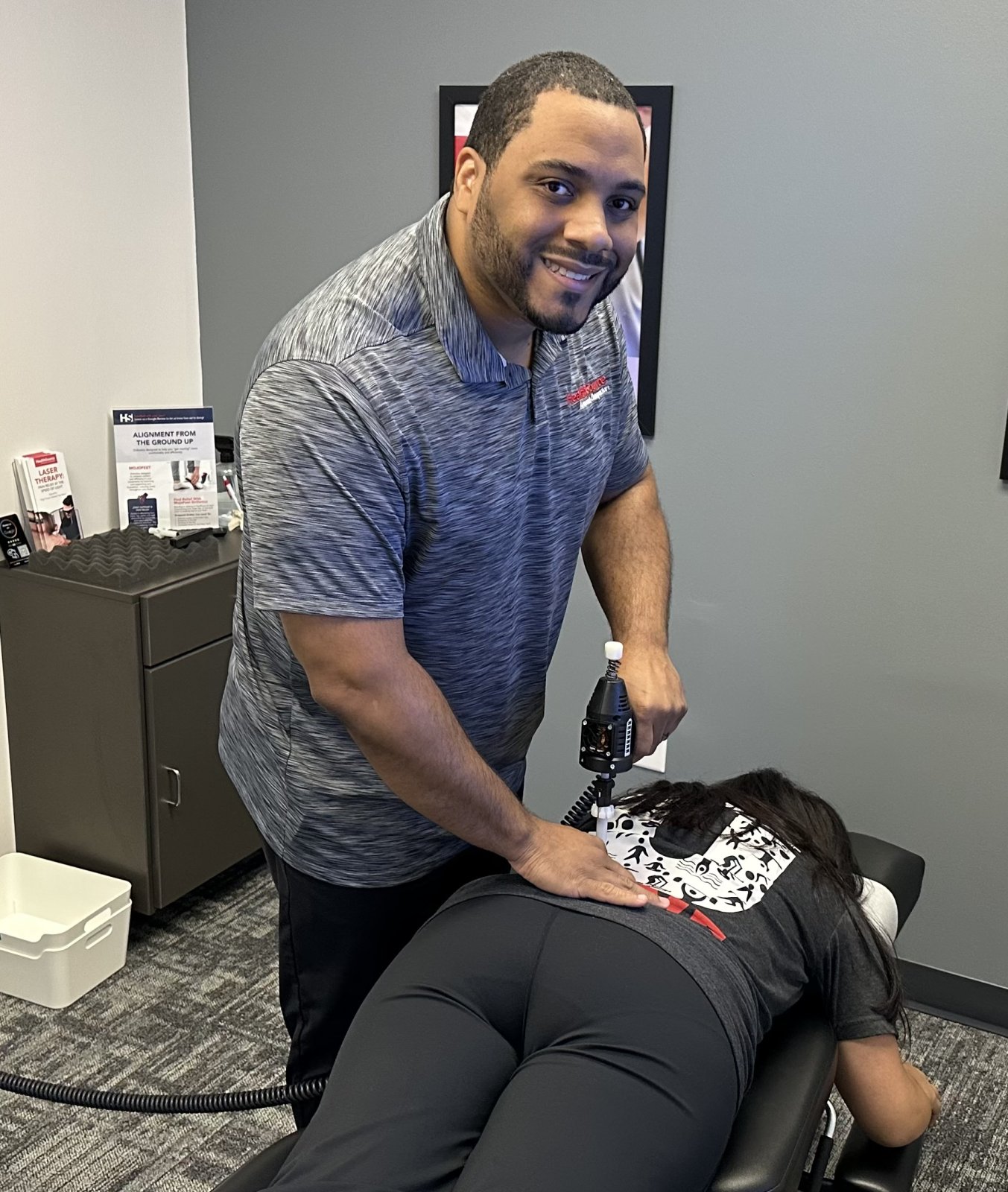
At HealthSource Chiropractic of Greensboro, we build a personalized plan that combines chiropractic adjustments with Progressive Rehab® and functional exercise. The practice also offers spinal decompression and class IV laser therapy.
Want to understand how a provider finds the root cause? Our step-by-step guide to finding the root cause of back pain explains the process.
Schedule Your Back Pain Evaluation
Back pain that lingers, limits your day, or travels into your legs is your body asking for answers. You don't have to guess whether it's serious.
Our team at HealthSource Chiropractic of Greensboro builds personalized, non-invasive plans integrating chiropractic care with Progressive Rehab® and functional exercise. The practice also offers spinal decompression.
Get started with HealthSource Chiropractic of Greensboro and schedule an appointment today.
Frequently Asked Questions
How do you know if your back pain is serious?
Back pain can have different causes and levels of urgency. If you are concerned about your symptoms, seek an evaluation from a qualified healthcare professional.
How long should I wait before seeing a doctor for back pain?
There is no single waiting period that applies to everyone. If you are concerned about your symptoms, schedule an evaluation with a qualified healthcare professional.
When should back pain be treated as an emergency?
If you believe your symptoms may be an emergency, seek emergency medical care.
Which type of doctor should you see for back pain?
A qualified healthcare professional can help you decide what type of care is appropriate for your symptoms. HealthSource Chiropractic of Greensboro offers personalized chiropractic care plans that integrate Progressive Rehab® and functional exercise.